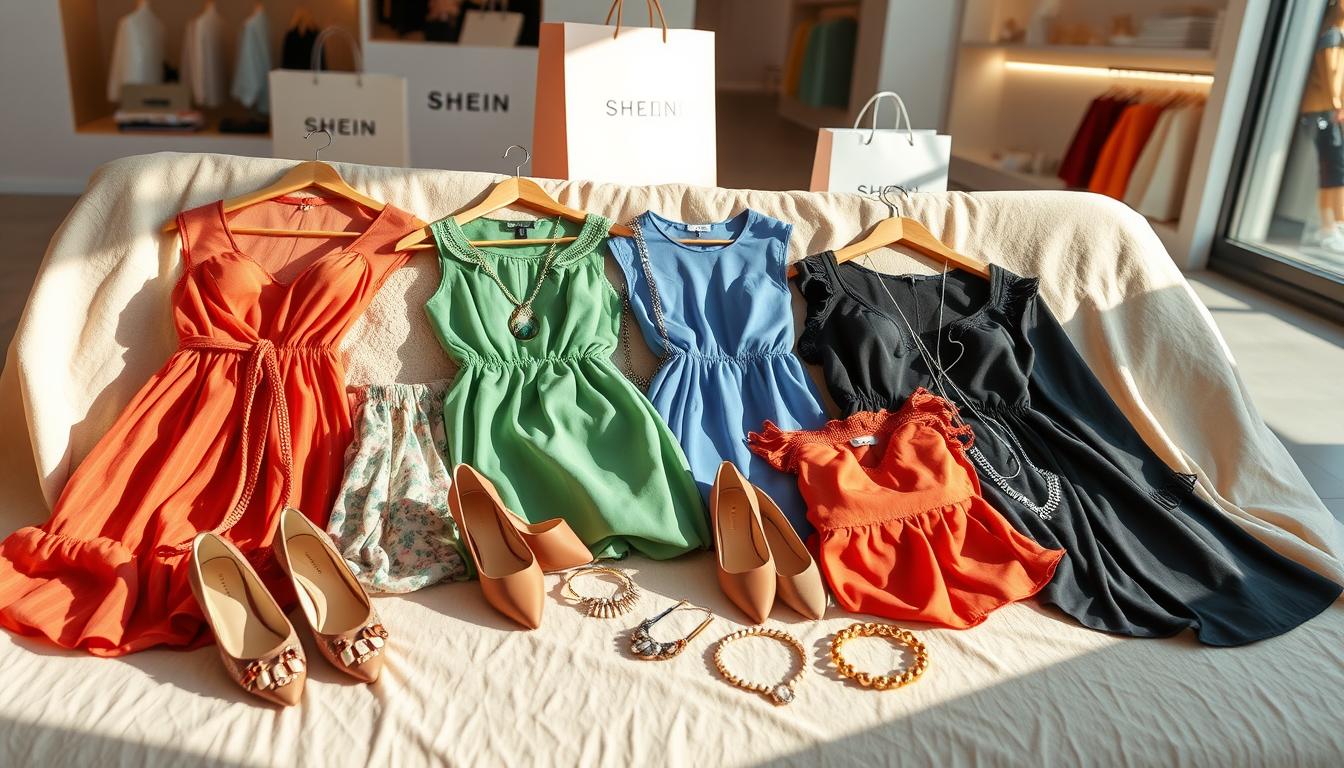
Shopping for trendy clothes online can feel like a gamble, especially when navigating the massive inventory of a global retailer. Many shoppers struggle to find the perfect fit because measurements vary wildly between different styles and fabrics. You are not alone if you have ever felt overwhelmed by the options available on your screen.
Understanding the nuances of shein sizing is the essential first step toward building a wardrobe you truly love. By learning how to read size charts and interpret garment descriptions, you can shop with total confidence. Achieving that perfect fit every time you order is entirely possible when you have the right tools at your fingertips.
Key Takeaways
- Learn how to accurately measure your body for online shopping.
- Understand why size charts differ between various clothing categories.
- Discover how to read customer reviews to gauge actual garment dimensions.
- Master the art of checking fabric composition for better stretch and comfort.
- Gain the confidence to order stylish pieces without the fear of returns.
Understanding the Basics of Shein Sizing
Many shoppers assume that a size medium is universal, but that is rarely the case in the digital marketplace. When you explore global fashion platforms, you will quickly discover that shein sizing operates on a different scale than what you might find at your local mall in the United States.
This discrepancy often leads to frustration if you rely solely on your standard US size. By learning a few essential online shopping tips, you can transform your experience and ensure your packages arrive with items that actually fit.
Why Shein Sizing Differs from Standard US Retail
The primary reason for these differences lies in the manufacturing origins of the clothing. Many international retailers use regional metrics that prioritize different body proportions compared to standard American brands.
Furthermore, garment sizing can fluctuate significantly between different production batches. A top you bought last month might have slightly different dimensions than a similar style purchased today due to these manufacturing variations.
The Importance of Checking Individual Item Charts
Never assume that your size remains consistent across every category on the site. The most effective size chart guide is the one provided specifically for the item you are currently viewing.
Always take a moment to compare your own measurements against the specific data provided for that garment. This simple habit is one of the most important online shopping tips for avoiding the hassle of returns.
| Feature | US Standard Retail | Shein Sizing Approach |
|---|---|---|
| Consistency | Highly standardized | Varies by collection |
| Primary Metric | Letter sizing (S, M, L) | Specific garment measurements |
| Best Practice | Buy your usual size | Check the size chart guide |
| Fit Focus | General body type | Individual garment sizing |
Mastering the Art of Measuring Yourself
Taking accurate body measurements is the secret to shopping online with confidence. When you rely on your own data rather than generic size labels, you gain control over your wardrobe choices. This simple process ensures you find the perfect fit every time you browse.
Essential Tools for Accurate Measurements
To get started, you only need a few basic items. A flexible fabric measuring tape is the most important tool for taking precise clothing measurements. Avoid using metal construction tapes, as they do not wrap around your curves correctly.
Standing in front of a full-length mirror is also highly recommended. This allows you to ensure the tape remains level and parallel to the floor while you work. Having a notepad or your phone handy to record the numbers will keep your process organized.

How to Measure Your Bust, Waist, and Hips Correctly
Learning how to measure bust, waist, and hips is straightforward if you follow a few simple steps. For the bust, wrap the tape around the fullest part of your chest while keeping your arms relaxed at your sides.
When learning how to measure waist, identify the narrowest part of your torso, usually located just above your belly button. Finally, for how to measure hips, stand with your feet together and measure around the widest part of your hip area. Always keep the tape snug but not tight against your skin.
Tips for Consistent Results
Consistency is key to getting reliable data. Always measure while wearing minimal clothing or just your undergarments to avoid adding extra bulk. Keep your posture natural and avoid holding your breath, as this can skew your results.
It is also helpful to measure yourself at the same time of day. Your body can fluctuate slightly, so taking measurements in the morning often provides the most stable baseline. Consistency ensures that the numbers you record truly reflect your frame.
Accounting for Body Shape Variations
Every person has a unique silhouette that requires a bit of extra attention. If you have a longer torso or broader shoulders, you may need to compare your measurements against specific garment lengths provided in product descriptions. Do not feel discouraged if your numbers do not align perfectly with a single size category.
Many shoppers find that they fall between sizes depending on the cut of the clothing. In these cases, prioritize the measurement that is most critical for the specific item, such as the bust for a fitted top or the hips for a skirt. Understanding your body shape allows you to make smarter decisions and feel great in your new clothes.
Decoding Shein Sizing Charts and Product Descriptions
You might be surprised to learn that the secret to a perfect fit lies hidden within the fine print of reading product descriptions. While a general size chart guide provides a starting point, the real magic happens when you look closer at the specific details provided for each item. Taking a few extra moments to analyze these details can save you from the hassle of returns later on.
Interpreting Garment Measurements vs. Body Measurements
It is vital to distinguish between your own accurate body measurements and the actual clothing measurements of the item. Many shoppers mistakenly assume that the size chart reflects their body size, but often, the numbers listed refer to the garment itself when laid flat. Always check if the site provides a „Body Size” chart or a „Product Size” chart to ensure you are comparing apples to apples.
If you are looking at garment sizing, remember to account for the intended fit of the piece. A loose-fitting blouse will have much larger measurements than a form-fitting tank top, even if both are labeled as a size medium. Always measure a similar item you already own to see how it compares to the listed dimensions.
Understanding Fabric Composition and Stretch
The material of a garment is just as important as the numbers on the page. Understanding fabric stretch allows you to predict how a piece will drape over your frame. A garment made of rigid material will fit very differently than one containing elastic fibers.
Identifying Non-Stretch Fabrics
Fabrics like 100% cotton, linen, or stiff denim have very little give. When choosing these items, you should prioritize your largest measurement to ensure you have enough room to move comfortably. If you are between sizes, it is usually safer to size up with these materials to avoid a restrictive fit.
Recognizing High-Stretch Materials
Materials containing spandex, elastane, or jersey knits offer significant flexibility. These fabrics are designed to hug your curves and provide a more forgiving fit. You can often choose a smaller size in these items if you prefer a tighter, more sculpted look.
| Fabric Type | Stretch Level | Sizing Advice |
|---|---|---|
| 100% Cotton/Linen | None | Stick to your largest measurement |
| Polyester Blend | Low | Check for ease of movement |
| Spandex/Elastane | High | Can size down for a snug fit |
Utilizing the Size Recommendation Tool
Most modern platforms now include a size recommendation tool to help bridge the gap between your data and the product. By inputting your height, weight, and preferred fit, the system can suggest the best size based on thousands of other customer experiences. Use this as a helpful guide, but always cross-reference the suggestion with the specific measurements provided in the description for the best results.
Analyzing Customer Reviews for Fit Insights
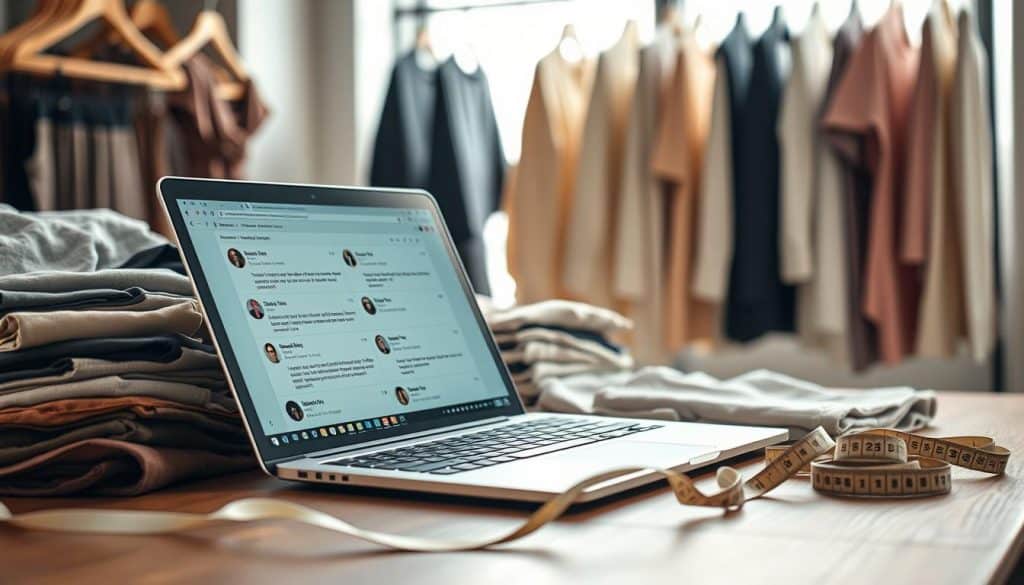
When you shop online, the most honest advice often comes from fellow shoppers. While size charts provide a baseline, customer reviews offer a window into how a garment actually performs in daily life. Mastering these online shopping tips can save you from the hassle of returns and help you feel confident in your purchase.
Filtering Reviews by Size and Body Type
Most platforms allow you to filter feedback based on specific criteria. Always look for reviewers who share your height, weight, or general body shape. This targeted approach ensures that you are not comparing your fit to someone with a completely different frame.
If a reviewer mentions they are a „size medium” but have a different build than you, their experience might be misleading. Focus on those who provide detailed measurements or describe their body type clearly. This is one of the most effective ways to avoid clothing fit issues before you even add an item to your cart.
Looking for Clues in User-Uploaded Photos
Professional product shots are often styled to look perfect, but user-uploaded photos reveal the truth. Pay close attention to how the fabric drapes on real people. Look for signs of pulling at the buttons or bunching at the waist, which are common indicators of a poor fit.
„The best way to predict how a garment will look on you is to see it on someone with a similar silhouette. Real photos are the ultimate reality check for any fashion purchase.”
Identifying Recurring Fit Complaints
If you notice multiple people mentioning the same problem, take it seriously. Whether it is a tight sleeve or a short hemline, recurring feedback is a major red flag. These patterns are invaluable for identifying potential clothing fit issues that the brand might not highlight.
When to Size Up Based on Feedback
You should consider sizing up if multiple reviewers mention that the item runs small or lacks stretch. If the fabric is non-stretchy, like rigid denim or certain linens, a little extra room is usually safer. Always prioritize comfort over the number on the tag.
When to Size Down Based on Feedback
Conversely, look to size down if users report that the garment is oversized or has a loose, baggy cut. If you see consistent comments about the item being „roomy” or „stretchy,” opting for a smaller size can provide a more flattering, tailored look. Use the following table to help guide your decision-making process.
| Feedback Indicator | Fit Suggestion | Action to Take |
|---|---|---|
| „Runs small” or „Tight” | Size Up | Check measurements |
| „Oversized” or „Loose” | Size Down | Verify fabric stretch |
| „True to size” | Stick to Size | Follow chart |
Navigating Common Shein Sizing Challenges
Even the most seasoned online shoppers often face hurdles when navigating the vast world of global fashion platforms. While the variety is exciting, shein sizing can vary significantly depending on the specific collection or manufacturer. Understanding these nuances is essential for a successful shopping experience.
Handling Inconsistent Sizing Across Different Collections
It is common to encounter clothing fit issues when browsing through different lines on the site. Because various factories produce these items, a size medium in one collection might feel like a small in another. Always verify the specific measurements provided for each unique item rather than relying on a general size chart.
Dealing with Petite and Plus-Size Specific Fits
Finding the right silhouette is vital for those exploring plus-size fashion or petite sizing options. These categories are designed with specific proportions in mind, which can differ from standard retail cuts. Look for user feedback that mentions body type to see how these pieces drape on real frames.
Managing Expectations for Different Clothing Categories
Different types of garments require different approaches to ensure they fit your body comfortably. Whether you are looking for structure or stretch, knowing what to expect helps minimize the need for returns.
Dresses and Jumpsuits
When shopping for dresses or jumpsuits, pay close attention to the length and torso measurements. These items often lack the flexibility of separates, making precise measurements critical for a flattering look.
Denim and Bottoms
Mastering denim sizing requires checking the fabric composition for stretch content. Rigid denim will fit differently than styles with elastane, so prioritize your waist and hip measurements over the tag size.
Swimwear and Intimates
Achieving the perfect swimwear fit often involves looking at the coverage level and adjustable straps. Since these items are worn close to the skin, reading reviews about support and elasticity is highly recommended.
| Category | Key Focus Area | Strategy |
|---|---|---|
| Dresses | Torso Length | Measure from shoulder to hem |
| Denim | Waist & Hip | Check for stretch percentage |
| Swimwear | Support & Coverage | Review user photos for fit |
Conclusion
Navigating the vast inventory at Shein becomes much easier when you apply a consistent strategy to your shopping routine. You now possess the tools to evaluate fabric types and interpret size charts with confidence.
Achieving the perfect fit requires patience and a keen eye for detail. Every garment tells a story through its measurements, and your ability to read those details will transform your online wardrobe updates.
Take a moment to compare your own body metrics against the specific item data before you finalize your order. This small habit prevents the frustration of returns and keeps your closet filled with pieces you love to wear.
Your personal style journey is unique, and finding the perfect fit is a rewarding part of the process. Use these insights to curate a collection that reflects your personality while saving time and money.
Share your favorite tips with friends who struggle with online sizing. Empowering others to shop smarter makes the entire fashion community better for everyone involved.
FAQ
Why does Shein sizing often feel different from standard US retail brands like Levi’s or Madewell?
What is the best way to ensure my body measurements are accurate?
How do I distinguish between garment measurements and my own body measurements?
Can I trust the Shein Size Recommendation tool?
What should I look for in customer reviews to find the right fit?
How do I handle sizing for specific categories like swimwear or plus-size fashion?
What should I do if I am between sizes?
Conținut creat cu ajutorul inteligenței artificiale.