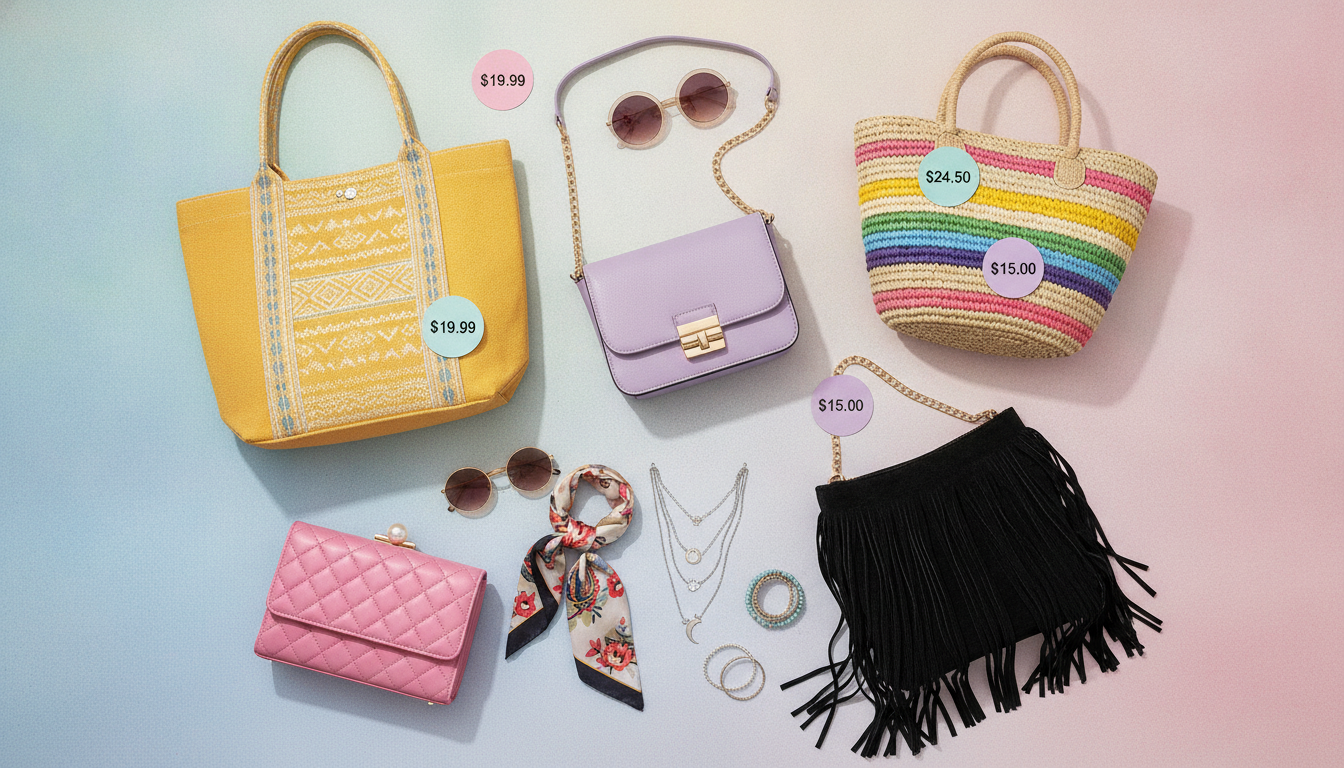
This article tackles a big question for U.S. shoppers: where does your money go the furthest? We’ve got SHEIN on one side, a giant from China that’s all about online shopping. They’re known for having tons of choices, really low prices, and new styles popping up super quickly. They also ship all over the place. On the other side, there’s Zara. They come from Spain and are part of a big group called Inditex. Zara is good at making new fashion trends available fast, thanks to their special supply chain. Plus, they sell stuff both in physical stores and online.
The main thing we’re looking at is if SHEIN or Zara gives you more for your money. But “worth” isn’t just about how much something costs. We’re talking about how many times you can wear something, how long it lasts, how well it fits, if it stays in style, and if the company is open and fair about how they work and treat their workers. We’ve balanced all these points so you can choose what’s best for your closet.
Here’s what you’ll find in this article: a quick side-by-side of SHEIN and Zara, deep dives into their prices, quality, designs, and how they handle important stuff like ethics. We’ve also got advice for those watching their budget, folks who always want the latest looks, and people who care a lot about quality. We’ve tailored our conclusions and tips for shoppers in the United States, thinking about how long things take to arrive, how returns work, and what’s available locally. This will help you figure out which brand meets your needs.
Key Takeaways
- SHEIN is great if you don’t want to spend a lot and like keeping up with trends.
- Zara is better for consistent sizing and faster fashion from runway to store, which could lead to better value over time for some purchases.
- Choosing between SHEIN and Zara depends on what matters more to you: price, durability, or how a company does business.
- Remember to think about shipping, return policies, and any extra costs in figuring out the real value of each brand.
- Use this guide to see which brand’s strengths align with what you’re looking for.
SHEIN vs Zara: Which One Is Actually Worth It?
Choosing between fast-fashion leaders can be tricky. This guide makes it easy to see the value and fit purchases to your needs.
Quick comparison snapshot
SHEIN has very low prices and tons of options, great for trying out new styles. Zara is a bit pricier and offers superior quality, with a better shopping experience in the U.S. In short: SHEIN is for cheap, trendy items; Zara is for higher quality and shopping in person. Use this quick comparison to understand their differences fast.
Who each brand is best for
- Best for budget shoppers: SHEIN is the top choice for cheap, fun buys. It’s perfect for those who want to experiment without spending a lot.
- Trend-seekers SHEIN Zara: Both brands are good for those who love trends. SHEIN offers them at lower prices. Zara provides more polished and durable trendy pieces.
- Quality-focused buyers: Zara usually offers better materials and build. If you want clothes that last longer, Zara or a similar premium brand is the way to go.
How to use this guide to decide for your wardrobe
First, think about what you’re buying: a core piece or something trendy. Then, consider how often you’ll wear it. For seldom worn, daring pieces, go with SHEIN. For items you’ll wear a lot and must fit well, choose Zara. Remember to think about shipping, returns, and your values like ethics and sustainability.
A quick tip: Get your trendy, experimental items from SHEIN. Save Zara for essential pieces and when fit is crucial. This strategy will help you choose the right brand for your wardrobe needs.
Price and Affordability: Low Cost vs Fast Fashion Pricing
When choosing between SHEIN and Zara, it’s about upfront costs and long-term spending. A clear SHEIN price comparison with Zara highlights big differences. We’ll look at typical costs and what changes the value.
Average price ranges for staples and trend pieces
SHEIN starts low for basics. In the U.S., tees and tanks range from $3 to $12. Dresses and light jackets are $10 to $40. Accessories are cheap to tempt you into buying more.
Zara’s prices are higher. Basic tees are $15 to $30. Dresses are $40 to $120. Coats and structured pieces, $80 to $300. These prices reflect the cost of making and moving the items.
Both brands also have special lines that can be pricier. Remember these SHEIN and Zara average prices when you shop.
Sales, discounts, and loyalty programs that affect value
SHEIN uses many promotions. Storewide sales, flash sales, codes, and app discounts make things cheaper. Shopping smart with rewards and points lowers prices more.
Zara uses less coupons and focuses on seasonal sales. Its sales make pricier items more affordable. But, SHEIN offers more rewards for loyalty.
- SHEIN’s sales make trying new things cheap.
- Zara sales on quality items can compete with SHEIN’s prices over time.
Shipping, returns, and hidden costs to factor into total price
Shipping rules are different and can make a deal expensive. SHEIN’s shipping fees depend on order size and delivery speed. Some U.S. orders get free shipping. Other orders are international and slower.
At SHEIN, returns may cost you and be limited by region. Big orders might have extra fees like customs. These are important in any SHEIN price comparison.
Zara’s U.S. shipping is usually faster. Returns are easier and often free in-store or with a prepaid label. Shopping in-person also helps avoid return issues.
- Don’t forget to add shipping and returns to the total cost.
- Think about how long items last, fit changes, and replacement needs.
Quality and Durability: Fabrics, Construction, and Longevity
A closer look at the materials and how clothes are made explains why some clothes feel different. This section talks about the types of fabrics, how they’re sewn, and how they hold up. With this knowledge, you’ll know what to look for when shopping.
Material quality comparison
SHEIN’s quality can vary a lot. They have thousands of products. Many are made with blends of polyester, rayon, and spandex, making them light and stretchy. However, some of their better items use more cotton or thicker knits, offering a better feel.
Zara’s items often last longer because they use more natural fibers or stronger fabric mixes. These include cotton, viscose, and wool. This choice gives their clothes a heavier feel and a nicer look.
Before buying, look at the labels. Both brands sometimes use general names for fabrics. Photos and customer images give you a good idea of the material’s quality and how it looks.
Stitching, fit, and construction differences
SHEIN and Zara differ in how they sew clothes. SHEIN’s clothes might have uneven stitches, loose threads, and simple seems. Since their fit can change, reviews and pictures are key to choosing the right size. Zara keeps their stitching neat and their clothes more tailored, especially in their mid-range collections.
SHEIN’s cheaper items might need small fixes to look better. But Zara’s basics and tailored pieces usually fit well right away for most people.
Real-world wear tests and customer reports
Tests by customers show some trends. SHEIN impresses at first with its looks and price. But their clothes might not keep their color, get pillowy, or hold their shape after a lot of washes. Their trendy clothes are good for a season of wear.
Zara’s clothes, on the other hand, last longer through many wears. They keep their shape better and resist pilling. Yet, some issues like seam splitting, shrinking, and color fading on dyed fabrics are things to watch out for.
- Read verified reviews and study customer photos before ordering.
- Follow care instructions to extend garment life.
- Consider paying more for staples that require longer service life.
Style, Trends, and Design Philosophy
Both brands aim to please shoppers, but they take different routes. SHEIN uses quick social media data to make trendy, inexpensive items. Zara creates sleek, seasonal looks by watching runways and keeping production tight.
How each brand approaches trends and runway influence
SHEIN’s style focuses on being fast and offering lots of choices. They test various designs and quickly make popular ones widely available. This leads to a vast, budget-friendly selection that’s always updated.
Zara translates runway fashion into wearable pieces. They make small batches and update stores often. This approach offers trendy, refined clothes that appear more together.
Range of styles: basics, workwear, evening, and streetwear
SHEIN and Zara offer many styles but have their own special areas. SHEIN is great for a wide selection of basics and unique streetwear at low costs.
Zara uses quality materials for its basics, perfect for building a wardrobe. Their work and evening wear have a formal look due to better tailoring.
SHEIN has countless evening wear choices, although quality varies. In streetwear, SHEIN goes for bold trends, while Zara opts for chic, casual trends.
Accessories and footwear also show a split. SHEIN has a vast, affordable accessory line. Zara’s shoes and bags are pricier but made with superior materials and workmanship.
Size range, fit consistency, and style inclusivity
SHEIN and Zara cater to many sizes, including plus options. SHEIN offers a wide range, but fitting might differ across products. Shoppers find success using the site’s measurements and reviews.
Zara has standard and plus sizes in various places, improving how their clothes fit over time. Their sizes are generally more reliable than other fast fashion names.
A helpful hint is to try on Zara clothes in their stores to get a good fit. For SHEIN, order a few sizes or look for items with high ratings to get the best fit and quality.
Ethics, Sustainability, and Brand Practices
People who care about the planet want to know how their clothes are made. This helps them see a brand’s true impact on the environment and workers. Shoppers weigh a brand’s honesty against its actions. This helps them choose quality over fast trends.
Transparency in supply chains and manufacturing practices
Zara’s parent company, Inditex, shares lists of suppliers and reports on their sustainability. They show efforts to keep the supply chain open. This lets customers check how factories operate and fix problems when they happen.
SHEIN’s practices have raised concerns because it uses many small subcontractors and doesn’t share much info. They’re starting to make changes. Yet, they’re still not as open as more established stores.
Sustainability initiatives, recycling, and slow-fashion alternatives
Inditex and Zara are trying to be greener with efforts like the Join Life line and recycling programs. They aim to use eco-friendly materials and reduce emissions. People still push them to reform faster due to the rapid pace of fashion.
SHEIN is making some green promises and special eco-friendly collections. But these efforts are small. They’re not as advanced in recycling as bigger stores are.
For greener options, shoppers can explore secondhand shops like ThredUp and Poshmark. They can also try renting clothes or choosing brands that are clear about where and how they make their products.
Labor practices, certifications, and consumer concerns
There’s worry over how fast fashion brands treat workers, including low pay. Reports and media have specifically pointed out problems with SHEIN’s labor practices. This has led to calls for more checks.
Inditex has had its own issues but keeps a close eye on suppliers with audits and rules. This approach offers more proof they’re fixing issues than many of their rivals do.
Buyers focused on ethics should look for audits, certifications, and brands committed to worker rights. These signs can guide them to purchases that match their values.
Conclusion
In simple terms for U.S. shoppers, choosing between SHEIN and Zara depends on what you’re looking for. If you’re into trying out new trends without spending much, SHEIN offers a vast, affordable selection. On the other hand, Zara is your go-to for better quality, consistent sizing, and easier returns.
Think about how often you’ll wear something. Pick Zara for clothes you’ll wear a lot. Choose SHEIN for trendy items that you’ll only wear for a season, especially when price matters. To cope with SHEIN’s size differences, check reviews and their measurement charts carefully. Use Zara’s faster returns and fitting options when you need the right fit. And remember, always consider extra costs like returns and repairs to find the real value.
If you care about ethics and sustainability, try to buy less. Instead, go for quality pieces or look into second-hand and rental choices, avoiding fast fashion. If you’re budget-conscious but want the latest styles, start with SHEIN. But be choosy and read user reviews. For those looking for a better fit and items that last longer, Zara is a better choice. Or, you could try even higher-quality brands.
In the end, there’s no one-size-fits-all answer between SHEIN and Zara. Think about what you need from your clothes. Use this guide to help make your decision. Then, choose the brand that matches your lifestyle and values the best.
Content created with the help of Artificial Intelligence.