This short guide helps U.S. shoppers recognize bargains and avoid regrets. It uses product details, customer feedback, fabric knowledge, and fast-fashion news. Its goal is to make shopping on SHEIN wiser.
We’ll teach how to understand the details about materials and how things are made. You’ll learn how to see what real customers think and how to measure well. We also share ways to keep your buys looking good longer. Plus, when it’s smart to spend a little more. This guide is for students, savvy workers, and trend hunters wanting to save cash and time.
The method is grounded in evidence and focuses on the buyer. You’ll find checklists for reviewing products, tips on finding gems and what to pass on, and insights from actual reviews and photos. Consider this your brief SHEIN shopping guide for making better choices before you buy.
Key Takeaways
- Focus on fabrics and seams in listing photos to judge likely durability.
- Trust verified customer photos and detailed reviews over model shots.
- Some basics and costume jewelry are often SHEIN good finds; tailored pieces often disappoint.
- Use measurements, not size labels, to reduce returns and fit issues.
- Simple laundering and minor alterations can extend an item’s life and value.
SHEIN Quality Explained: What’s Good and What to Avoid
The idea of quality at SHEIN varies from person to person. Some see it as a bargain for a decent product. Others think it’s about well-made items that last. Knowing how SHEIN defines quality can help you have better expectations.
What the phrase means for shoppers
SHEIN is known for fashion that’s both trendy and affordable. But, this comes with certain compromises. You’ll notice quickly changing trends, lots of production, and sometimes thin materials. While one day you might score a durable t-shirt, another day you could end up with a fragile dress that soon fades.
Why quality varies across categories
With thousands of products from different factories and sellers, SHEIN’s quality isn’t consistent. For example, producing a high-quality knit tee on a budget is doable. But blazers, lined items, and denim demand better materials and craftsmanship to last.
The type of materials used affects the quality too. Many SHEIN products use polyester and rayon because they’re cheaper. Cotton, linen, and silk are pricier and less common. Rushed production for seasonal items can also mean less attention to quality.
How to use this guide to shop smarter
To shop wisely at SHEIN, know which categories are worth it. Read reviews that are verified and look at customer photos. Always check the size chart and compare it to clothes you already have.
Try to minimize risk by starting with cheaper items if you’re unsure. Choose different sizes if the fit is important. Look for products that have lots of positive reviews and customer photos. Remember to consider return costs and how long shipping takes, especially for expensive items.
Quick checklist:
- Search for products with many customer photos and honest reviews.
- Examine the fabric details and double-check sizes.
- Be cautious with uncertain categories and use smart SHEIN shopping strategies.
Quick overview of SHEIN as a brand and marketplace
SHEIN turned from a small online shop into a big name in fast fashion. It quickly changed its stock, worked with influencers, and focused on mobile shopping. These steps helped it grow but also brought up concerns about its impact on the planet and workers.
Company background and growth
SHEIN started by selling clothes online and grew by using social media and selling affordable items. It’s now a big player in the US and Europe. Its growth comes from always having something new, targeted advertising, and teaming up with online creators to keep shoppers coming back.
Business model and fast-fashion implications
SHEIN’s strategy depends on making and delivering clothes super fast. It releases trendy items in small batches. Designers come up with quick trends, and technology helps decide what to sell. This makes everything move faster from design to sale.
Its focus on fast and cheap leads to many sales and deals. Because it produces small amounts quickly, the quality and materials of products can vary.
Typical price points and target audience
SHEIN’s prices are generally low. Basics often cost less than $10–$15. Prices for dresses and coats usually range from $20–$60. Accessories and jewelry are often under $15.
It aims at Gen Z and those looking for style within a budget. SHEIN draws in people who want new trends at low costs and those searching for unique items for special events or quick fashion changes.
Key takeaways:
- SHEIN’s quick growth and aggressive marketing made it a major topic.
- It grew fast but faces criticism over its ethical practices.
- Its focus on speed and affordability impacts product consistency.
- SHEIN’s pricing strategy attracts customers who like to shop on impulse.
How to assess fabric and construction on SHEIN listings
First, look at the listing carefully. Good pages tell you about the fabric, linings, and closures. They also show model and close-up photos. When reading listings, check what fibers are used, if there’s lining or interfacing, and look for photo reviews.
Understanding fabric descriptions and common materials
Search for materials like polyester, rayon, spandex/elastane, modal, and nylon. Sometimes, you’ll find cotton, linen, or silk-like materials in pricier items. Lots of polyester means it might not breathe well and feel cheap.
If you see “poly blend” or “viscose blend,” think twice. These terms often hide low-quality. Without weight or feel listed, use reviews for hints about how it feels.
Check if it mentions linings and what kind. Polyester linings work for many styles. Look for metal zippers and buttons – they’re sturdier than plastic.
Key construction details to look for in photos
Close-up on stitches and seams is key. Look for double stitches, even stitching, and no fraying. Bad stitching or fraying means it might not last long.
Structured pieces like blazers should have clean linings at the armholes and neck. If the edges are unlined or rough, it might not hold up.
Examine how buttons and zippers are made. Strong buttonholes and snaps show quality. Metal zippers are better than plastic ones for daily use.
Look at how clothes fit in pictures. Places like shoulder seams and patterns should match. Model photos help see the garment’s shape and flow.
When to trust the product images versus customer photos
Brand photos are good for seeing the intended look. They show the garment from different views and detail sewing. But, they might not show the real texture or thickness.
Customer photos show true colors, how the fabric falls, and fits. Reviews with pictures from various body types are trustworthy. Recent photos are best.
Pay attention to the review trends. Lots of similar reviews give good insight. Choose listings that clearly describe the construction and have many customer photos.
Categories where SHEIN quality is surprisingly good
SHEIN has both hits and misses. Still, some stuff really offers a good bang for your buck. I’ll tell you which items are worth it, why they stand out, and tips for picking the best options.
Bargain-friendly basics and everyday tees
Simple shirts like crew and V-necks, along with basic tanks and blouses, are often top picks. Their simple make means they’re usually well-made, using decent fabrics like cotton or viscose blends. They stay nice with proper care. If you’re eyeing basics, look for listings with details on fabric weight and real buyer photos.
Choosing products with many reviews helps. If the fabric seems light, go for a bit bigger size. Washing items carefully keeps them in shape. Small efforts like these make your basics look more expensive than they are.
Statement pieces and trend-driven items
Items with ruffles, puff sleeves, or flashy prints offer a lot of style for a little cash. These statement pieces from SHEIN look great in photos. They’re perfect for a single season, special events, or when you want to look extra stylish online.
But be aware, they might not last forever. Many use light materials and simple designs. So, choose options with better details like strong seams or a lining shown in the pictures. Aiming for style rather than durability offers the best value.
Costume jewelry and accessories—what holds up
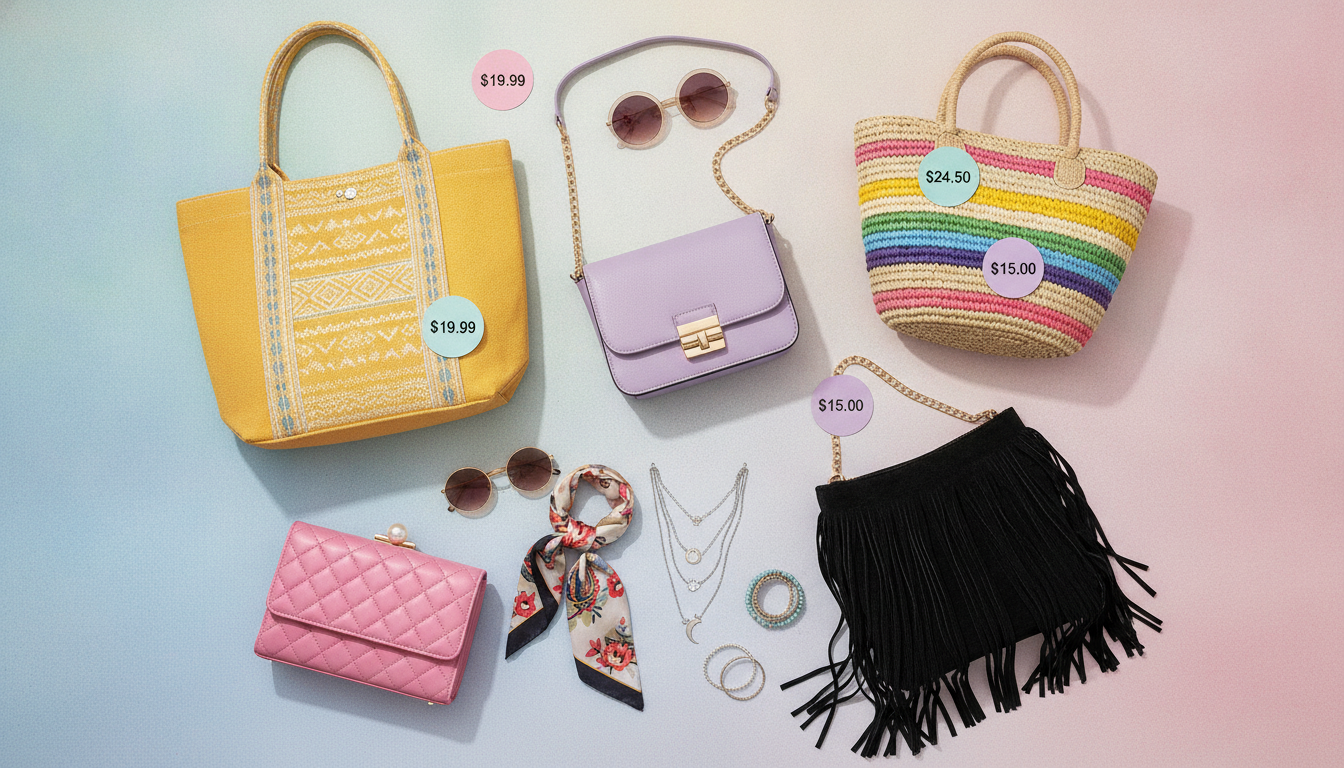
Things like fashion jewelry, hair accessories, scarves, and some bags are often great deals for occasional use. Items made from plated metal or acrylic last through a season if you keep them dry. The quality of faux-leather bags and belts varies more. Check the pictures for good hardware and stitching before you buy.
To make your buys last longer, take off jewelry before showering. Avoid letting it touch perfume or sweat and handle faux-leather gently. Doing these can extend the life of your SHEIN accessories.
Items you should usually skip or be cautious about
Some fast-fashion websites are tricky. Be extra careful with items that need good construction, support, or delicate materials. Always check the descriptions and reviews before buying.
Structured garments: blazers, denim, and tailored pieces
Blazers and tailored items from budget sites often don’t have the right interfacing, linings, and shoulder structures. This can result in a boxy look or a blazer that doesn’t hold up over time.
Denim quality can vary. You might find thin denim that loses shape, weak rivets, and loose stitches. On the other hand, better brands offer thicker denim and stronger hardware for a longer-lasting wear.
If a good fit and durability are important to you, be wary of spending a lot on structured items without checking reviews first. It’s smarter to invest in brands known for their quality tailoring.
Swimwear and activewear—fit, lining, and durability issues
Swimwear often has problems like weak chest support, see-through fabrics when wet, and shifting linings. Elastic that quickly loses its stretch also means less support sooner than you’d think.
Activewear can be hit or miss depending on the fabric blend and seams. Look for high nylon content with quality spandex for better fit and durability. Avoid cheap materials that pill or lose shape.
For activewear that lasts, focus on pieces with detailed fabric info and plenty of pictures. Choosing trusted brands can make a big difference when you need your gear to perform.
Delicate fabrics and expensive-feeling items that disappoint
Items claiming to be luxurious—like faux-silk shirts or satin dresses—often aren’t what they promise. If the shine is off, the drape is bad, and the hems are rough, they’re probably made of lower quality materials.
Cheaply finished seams and low-quality thread mean these garments won’t look new for long. Expensive-looking items need a closer look at reviews and images to ensure quality.
When a deal seems too good to be true, it probably is. Trust reviewers who discuss the real feel and fabric quality before you buy something that’s supposed to seem luxurious.
Practical shopping tips to avoid low-quality purchases
Smart shoppers do their homework and try things out. They check review trends, sizing info, and return policies. This makes shopping for fast fashion more rewarding.
How to read reviews effectively and spot red flags
- Focus on reviews from verified buyers. Watch for complaints about poor quality, like thin fabric or bad stitching.
- Sort reviews to find the most useful ones. See what many people recently said, not just a few early high ratings.
- Look at pictures from reviewers to see the true color and fit. It’s better than relying on the website’s photos.
- Be cautious of short reviews without pictures. Also, if reviews only talk about fit but not fabric, think twice. A sudden increase in great reviews could mean they were paid for.
Using size charts, measurements, and reviews to pick the right fit
- Measure yourself and compare with the product details. Don’t assume sizes are the same everywhere.
- Remember, many clothes follow Asian sizing which can be smaller. Check the measurements given for a better fit.
- Read what others say about how the fabric feels and fits. If unsure, buy two sizes and return the one that’s not right.
- Consistently use size guides and look at recent pictures from customers. This helps see how the clothes fit in real life.
Return policies, shipping times, and customer service expectations
- Shipping from far away takes longer unless you pay extra. Know this before buying something you need quickly.
- Check if you can return items for free. Sometimes you might have to pay for sending things back.
- Take pictures of any issues and keep your order info ready for customer service.
- Think about the cost and effort of returning cheap items. Sometimes, it’s not worth it. Save returns for more expensive things.
Using these smart SHEIN shopping strategies can save you from regret. Spend a bit of time checking reviews, sizing, and return info first. It often avoids common shopping mistakes.
Alternatives and ways to improve SHEIN purchases
Finding better value in the long run involves smart shopping and proper upkeep. Below, find shops offering quality items, tips for clothing care, and how to decide when to splurge or save. This approach can make a big difference.
Brands and retailers to consider
- Uniqlo: dependable basics and consistent fabrics for tees and sweaters.
- Everlane and Madewell: stronger denim and wardrobe staples built to last.
- H&M Conscious and Zara: trend-forward pieces with a slight bump in production standards.
- Target lines like A New Day and Universal Thread: budget-friendly basics with better fit than fast-fashion throwaways.
- Nike, Adidas, and Lululemon: activewear that holds up through workouts; Summersalt and Aerie for swimwear with improved fit and support.
- Resale platforms such as Poshmark and ThredUp, plus local consignment shops: affordable access to higher-quality pieces and designer finds.
Practical laundering and mending tricks
- Wash synthetics inside out on gentle cycles and use cold water to reduce color bleed and shrinkage.
- Air-dry garments to preserve elastics and finishes; skip high-heat drying for most fast-fashion fabrics.
- Use fabric softener sparingly on activewear to protect moisture-wicking finishes.
- Simple tailoring—add darts, shorten hems, or replace buttons—to dramatically improve fit for little cost.
- Reinforce weak points: stitch hems, replace worn elastic, and add interfacing to collars or lapels for better structure.
- Store clothes properly: hang delicate blouses, use anti-tarnish pouches for jewelry, and avoid overcrowding closets to prevent damage.
When price matters: applying cost per wear
- Calculate cost per wear by dividing the purchase price by expected wears. A $60 blazer worn 60 times equals $1 per wear; a $20 blazer worn twice costs $10 per wear.
- Invest in items where fit and durability pay off: outerwear, quality shoes, tailored garments, and reliable denim tend to lower long-term cost per wear.
- Use SHEIN for trend-driven, event-specific, or short-lived pieces and rely on higher-quality retailers for closet staples you plan to wear often.
Conclusion
This summary of SHEIN shopping illustrates it’s good for affordable basics, trendy pieces, accessories, and costume jewelry. Most everyday t-shirts and seasonal items are great if you pick ones with clear fabric info and real customer photos. Yet, be ready for mixed outcomes with fitted clothes, swimwear, sportswear, and items labeled as luxury.
When shopping on SHEIN, always read item descriptions and check the sizes. Pay more attention to customer photos than studio ones. Use the size guide smartly and value feedback from many reviewers. Be cautious with items needing a perfect fit or a lot of support; it’s better to buy these from brands known for quality and good return policies.
Decide on each SHEIN item by considering how it fits your wardrobe needs. Use the site to explore new styles cheaply but spend more on durable brands for long-lasting items. Follow the tips from this guide for your next purchase, weigh cost against usage before making expensive choices, and know some DIY fixes to make budget-friendly items last longer.
Content created with the help of Artificial Intelligence.