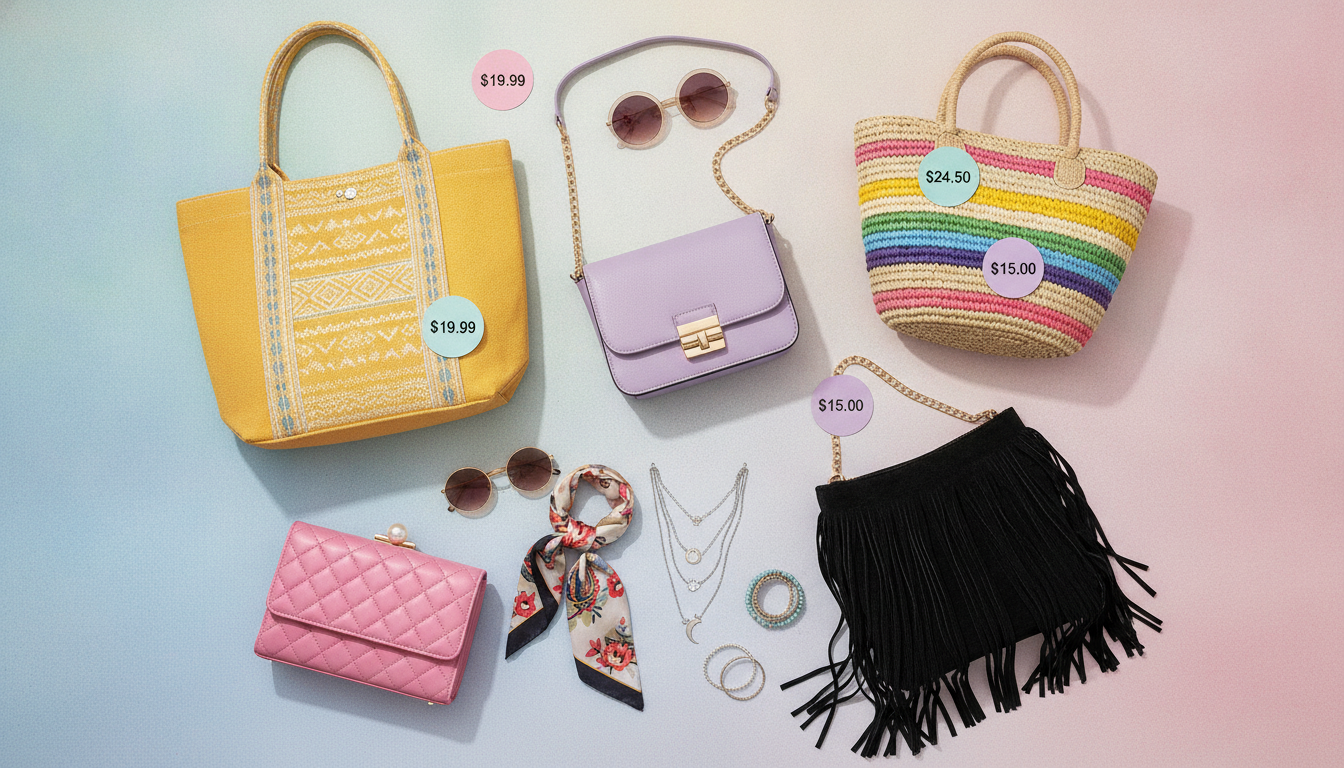
I got 18 items from SHEIN to refresh my wardrobe for the season. These buys include tops, dresses, accessories, and shoes, all priced between $6 and $45. They’re for various occasions like spring events, daily outfits, and a weekend getaway. In this review, I’ll talk about how these items fit, the quality of the material, and styling for real life. You’ll get honest thoughts on what items were a hit or miss for me.
My aim is simple: to help you save time and money. I’ll highlight the best finds and those not worth the cash. I checked if the sizes were right, the quality of the materials, and if they’re easy to mix with what you already have. This haul is not just about fashion. It’s also a guide for U.S. shoppers cautious about buying clothes online without trying them first.
In this article, I’ll share which items I loved, which ones I didn’t, and some tips on getting the right size and taking care of your clothes. Keep reading for an honest review of the SHEIN haul for 2026, including top picks and items to avoid for smarter shopping.
Key Takeaways
- Out of 18 items, roughly one-third were clear wardrobe winners that felt worth the price.
- Common sizing issues affected tops and dresses most; measure and check reviews before buying.
- Accessories and a few value dresses punched above their price.
- Avoid thin, unlined garments for structured looks—fabric photos matter.
- I’ll share specific items to skip and easy fixes for pieces worth keeping.
SHEIN Haul: What I Loved vs What I Regretted Buying
I kept my shopping list short and sweet: 6 tops, 4 dresses, 3 accessories, and 2 pairs of shoes. I aimed to refresh my casual wear, pick out some work-friendly dresses, try out new styles like puff sleeves, and find unique accessories that don’t break the bank.
Choosing what to buy was easy. I set a spending limit and looked for cotton or linen-like materials. I searched for specific styles such as puff-sleeve tops, midi-length dresses, and square-toe sandals. This approach made it easier to decide what to buy and helped avoid feeling overwhelmed.
Overview of the haul and shopping goals
This haul had a mix of daily essentials and trendy items. There were linen tees and a puff-sleeve blouse. Dresses varied, from a wrap midi to a sophisticated work dress. Accessories included standout jewelry and a woven belt. I got square-toe sandals and a pair of sneakers too.
Each choice had a purpose. For everyday outfits, I wanted items that felt light. For work, the clothes had to look good on video calls. I also picked a few trendy pieces for under $30. This focus helped me stay true to what I needed.
How I decided what’s loved versus regretted
I had a clear list of what made an item great. Favorites were true to size, matched the online colors and patterns, and made from quality fabric. They were also versatile, working with many looks.
I didn’t like some items for specific reasons. They didn’t fit right, even though I checked the size chart. Others didn’t look like their pictures online, were made of poor fabric, felt uncomfortable, or didn’t live up to expectations.
I was practical and measured clothes against the size chart. I checked materials and read reviews with customer pictures. This helped me decide what I loved and what I regretted.
Quick summary of top loves and biggest regrets
Top loved items from this run:
- A wrap midi dress that hugged in the right places and required no alterations.
- A puff-sleeve blouse with quality lining and easy styling for work or weekend.
- Statement hoop earrings that kept their finish after several wears.
- A linen-blend tee that held shape after washing.
Biggest regrets to watch for:
- A polyester tank that turned out see-through under bright light.
- Square-toe sandals with weak arch support and a slippery sole.
- A blazer with odd proportions that looked boxy on the shoulders.
- A cheap-feeling camisole with loose stitching at the seams.
I ended up returning a few things, setting aside a couple for small fixes, and happily wearing many items immediately. This short summary of my SHEIN haul shows what worked and what didn’t.
If you want detailed reviews or sizing help, go to the more in-depth part of this article. It covers the best and worst SHEIN finds and offers tips on avoiding buyer’s remorse.
Detailed Loved Items: Wardrobe Winners and Why
I got essentials that quickly became favorites. These items show how smart shopping choices can create a stylish look for everyday. They include tips on fit, fabric, and how to style them to stay fresh in your closet.
Best tops and blouses — fit, fabric, and styling tips
Cotton-blend shirts are cool and easy to wear. A blend of 60% cotton and 40% polyester fit just right. They look good tucked into jeans or under a blazer for the office. Try a bigger size if you want a smoother look around the buttons.
Knit tees are cozy, stretching without losing shape. They flatter your figure and go well with skirts or pants. To hide bra lines, pick a smooth, light-colored bra.
Silk-like camis have a rich feel and shine, though they’re mostly made of polyester. They shine with layered jewelry and a sweater. For a looser fit, go up a size.
Favorite dresses — occasions, sizing notes, and looks
A wrap dress suits work or evenings out. It adjusts at the waist and fits well, especially with its stretchy fabric. On someone 5’6″ tall, it lands at mid-calf. Shorter folks might need to shorten it a bit.
Slip dresses are ideal for trips and layering. The design flatters without clinging too much, but check the sizing for upper support. The colors stay true, even after washing.
Shirtdresses make weekend outfits easy and stylish. They allow for free movement, thanks to elastic waists and buttons. Taller people might need to adjust the length for a perfect fit.
Accessories and shoes that elevated outfits
Jewelry like gold-plated necklaces and hoops stand out. They last well with careful use. Their design works for both day and evening.
Bags that have a defined shape look more expensive. They’re made well and useful. Belts update your look instantly by cinching in dresses and tops.
Footwear varies from comfy sandals to chic block heels. Sandals fit quick walks, while heels can be worn longer. For flats, try a smaller size for a better fit.
Value picks: items that felt higher quality than the price
Some finds felt luxurious for their price. For example, a thick sweater was well-made and stayed new after washing. These gems were priced $20–$45, offering great value.
Their build and details make them top picks from SHEIN for a smart wardrobe. Combine a soft sweater, sleek pants, and a simple bag for versatile looks.
- SHEIN best tops that double as layering pieces extend outfit options.
- SHEIN dresses review favorites can be dressed up or down with simple swaps.
- SHEIN accessories review showed which small purchases yield big style returns.
- These value fashion finds earned repeat wear and held up to early testing.
- Mark them as best SHEIN buys when building a practical, budget-friendly wardrobe.
Regretted Purchases: Problems, Misfits, and Returns
I sorted regrettable buys into distinct categories. This makes it easy for readers to see the red flags. The main issues include fit problems, fabric and transparency concerns, and construction flaws. I also found misleading product photos. Each category details my choice to return or alter items.
Fit issues were a major headache. Many tops and dresses did not match SHEIN’s size chart. Some clothes had odd shoulder lines and sleeve lengths, leading to a boxy look. I often found garment measurements off by 2–4 inches from what was listed.
Garments with poor fit rarely suited tailoring. Because of simple seams and thin materials, adjustments could ruin their shape. I opted to return items needing a lot of alteration to avoid high tailoring costs.
Light colors and cheap materials often had fabric and transparency problems. Many items turned see-through in light or when pulled tight. The online images didn’t show this issue, making some pieces sheer in daylight.
Certain materials began pilling or snagging quickly. Uneven dye or color bleeding after washing reduced how long I could wear them. These issues made me return items or only use them for home projects.
Construction flaws impacted how often I wore certain pieces, regardless of their price. Crooked seams, loose buttons, and missing linings were common. One dress’s rough edges were uncomfortable. These problems made items difficult to wear more than once.
If a piece could be easily fixed, I considered repairing it. But if it wasn’t worth the effort, I returned it. Scratchy tags and labels were small but influenced my decision to return sensitive materials.
Photos that didn’t match reality led to wrong ideas about fit and material. Excessive editing and staging hid the true texture and flexibility of the items. A satin skirt looked different in person than in staged photos. That’s why I now check reviews with customer photos first.
To avoid being misled, I double-checked reviews and customer photos. This helped me spot potential disappointments. It was especially important for listings likely to be SHEIN fails.
My return decisions depended on the issue. Dresses with bad fit and tops with major flaws were returned. The process involved asking for a return label and tracking refunds. Some refunds came quickly, others took time due to fees.
I kept some items to alter, give away, or repurpose. Layering pieces came from thin tops. And I wore trimmed knits casually. This approach lessened waste when returning wasn’t an option.
The lessons I learned influenced new shopping habits. I now avoid certain styles and cheap, light materials. I skip listings that lack detailed photos or customer reviews. This reduces regrets and returns from bad fits or misleading photos.
Fit, Fabric, and Sizing: What to Expect from SHEIN
Shopping on fast-fashion sites like SHEIN can be unpredictable. This guide will show you how to check if clothes will fit, understand fabric types, and fix items that aren’t quite right. Follow these tips to have more successes and fewer items to send back.
Common sizing inconsistencies and measuring tips
Sizing on SHEIN can change depending on what you’re buying and who is selling it. Don’t rely on just S/M/L sizes. Always look at the size chart for each product. Measure yourself carefully and compare these measurements with the ones given online, not the suggested body size.
If an item doesn’t stretch or is supposed to be tight, consider getting a bigger size. But, for stretchy or adjustable clothes, the size chart should work fine. Remember, sizes can vary a lot between different countries. Check size conversion charts and reviews to get a better idea of how things fit.
Fabric quality signals to look for in product photos
Take a closer look at the fabric, how it’s stitched together, and the details in product photos. These hints can tell you a lot about the quality. Watch out for terms like cotton blend or polyester when reading descriptions. This information helps you understand what to expect from the fabric.
Be wary of listings that don’t specify the material or use vague terms like “high quality.” Also, photos with lots of editing might not show the true fabric. Look for images with natural light and customer photos for a better view.
Alteration and care suggestions to salvage items
Don’t give up on pieces that don’t fit right off the bat. Simple tweaks by a tailor, like adjusting seams or shortening lengths, can make a big difference. These fixes usually don’t cost much.
Looking after your clothes properly can make them last longer. Wash synthetics in cold water, use a gentle cycle for delicate items, and hang them to dry. Clothes from fast-fashion brands might break more often, so be ready to mend them, store them carefully, and treat any stains quickly.
Knowing a few sewing tricks and owning a good steamer or iron can save you trips to the tailor for small fixes. For bigger changes, local services can do the job without costing too much. Learning these skills and tips will help you get more out of your SHEIN orders and understand how to pick sizes and fabrics better.
Shopping Tips to Avoid Regret: How I Shop SHEIN Now
I improved my SHEIN shopping strategy to avoid mistakes. Now, I follow a few simple steps that save time. Use them as your guide while exploring SHEIN.
Reading reviews is my first move. I look for comments from verified buyers and those close to my size. This helps me see how clothes look on real people. I give extra attention to reviews with clear daylight photos and multiple pictures from one person.
Review patterns tell a lot. If many say the fabric is thin or the fit is loose, I believe them. It helps to compare your body measurements to those of reviewers for a better fit prediction.
Choosing sellers wisely is key. I can tell SHEIN’s products apart from third-party sellers. I go for sellers that have lots of positive reviews and a clear return policy.
I use filters to find top sellers and highly rated items. I prefer to buy from collections known for better quality. And, I always check the fabric and size info before buying.
Deciding when to buy is crucial. I buy basics and must-haves during big sales. For trendy items or those likely to sell out, I pay full price.
I combine deals like new customer codes, app exclusives, and general discounts. Wishlists help me wait for the best price on items I want. This way, I use SHEIN discounts smartly and avoid quick, regrettable decisions.
I’m careful with sizing to avoid return hassles. Sometimes, I buy a size up or two sizes of an important piece. I prefer items that I can return for free or easily exchange.
Maintaining a list of what looks good on me makes shopping easier. This strategy works well with SHEIN, helping me make better choices.
Cost, Shipping, and Return Experiences
I kept track of how much I spent on this shopping spree. Tops cost between $8 and $22 each. Dresses were priced from $15 to $45. Accessories were around $3 to $12, while shoes cost between $25 and $50. On average, I spent about $18 per item. In total, I spent about $180 on everything.
There were extra small fees. Sales tax and import duties sometimes raised the total price.
Shipping prices changed depending on how fast I wanted my items. Normally, shipping to the U.S. took between 10 and 18 days. There was a faster option that took about 4 to 7 days. Shipping times could be longer during busy times or because of delays. But tracking got better once the packages were with USPS or UPS.
I noticed shipping with USPS, UPS, and other local partners. Putting all my items in one order saved money on shipping. This meant fewer packages to deal with. But, the packaging was sometimes too much. Although, they did use recyclable envelopes for some orders.
Returning items to SHEIN was straightforward. I just had to pick the order and items I wanted to return on their app or website. Then, I either printed or downloaded a return label. Where I dropped off my return depended on the shipping company used.
Refunds took about 7 to 14 days after SHEIN got the items back.
The cost of returning items varied. Sometimes, I could return items for free, especially during special promotions or in certain areas. But at times, I had to pay for postage to send items back. Having to pay restocking fees was rare but it could happen.
If I got a damaged or wrong item, customer service was quick to help. They usually answered within 24 to 48 hours through chat or email. They sorted out most problems by either replacing the item or giving a refund.
Seeing if I got my money’s worth involved more than just the price tag. After considering return costs, making changes, and unexpected duties, some items ended up costing more than I thought. Grouping my purchases, using store credit, and shopping during sales helped me spend less. This also made dealing with returns easier.
Here are some tips: always check the size and reviews before buying to avoid returns. Combine your purchases to save on shipping. And keep an eye on when you can return items. Following these steps helped me save money while I dealt with shipping and returns from SHEIN.
Conclusion
My SHEIN haul taught me about balance: I found some great pieces and a few not-so-great ones. Looking back, I see the shopping was worth it, especially if you’re careful. The winners were durable clothes and classic styles that offered good value over time. But, the trendy stuff didn’t last as long as I hoped.
If you’re thinking of buying from SHEIN, here’s my advice. Trust the pictures and reviews from customers. Choose natural or quality synthetic materials. Skip items that need to fit perfectly. Always check the size chart, read lots of reviews, and don’t be afraid to return things that don’t fit right. These steps can make your SHEIN experience much better.
So, here’s my final thought: shop at SHEIN with a mix of hope and realism. Focus on classic shapes and materials, and always read reviews. Think about buying less but wearing more. Ask yourself how often you’ll wear it before adding it to your cart.
I’d love to hear about your SHEIN hauls, so please share below. Follow for more try-on guides. Check back on tips about fit and returns. Your insights can help others figure out if SHEIN is right for their wardrobe and wallet.
Content created with the help of Artificial Intelligence.