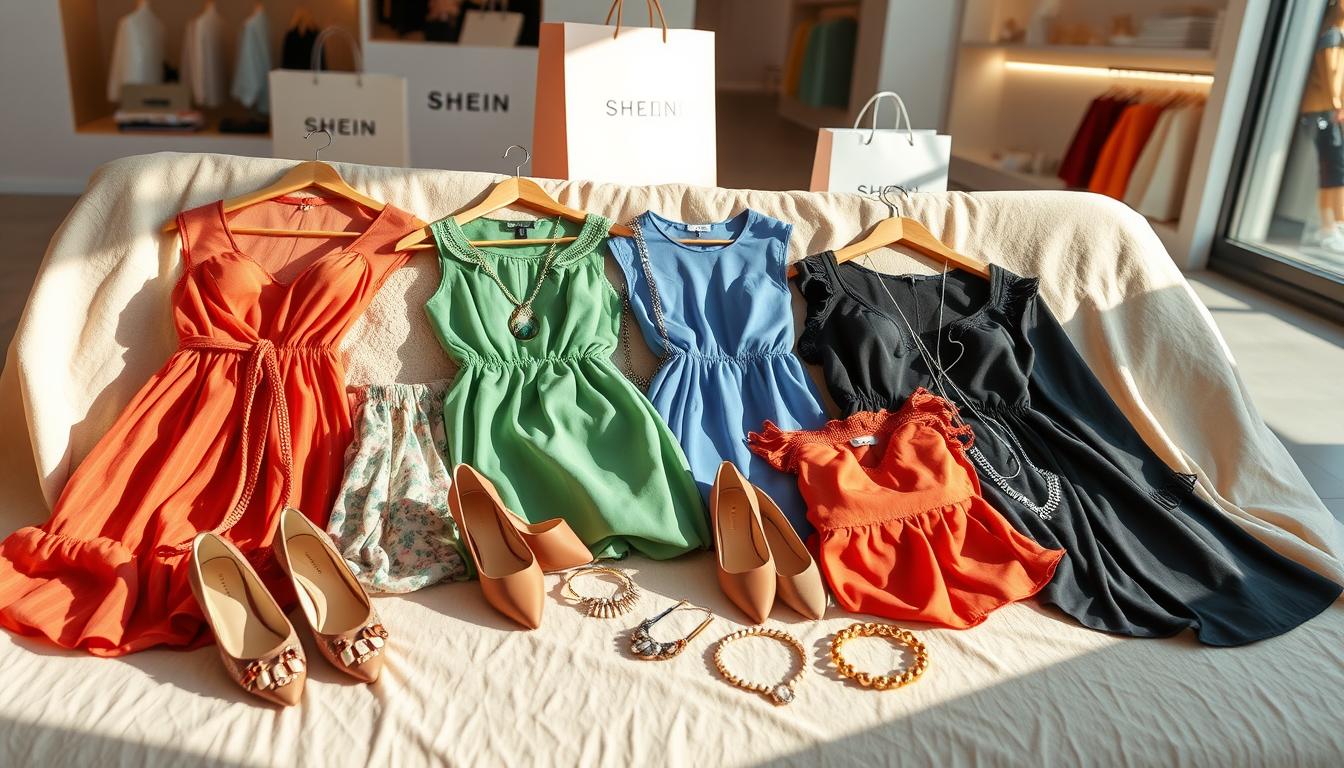
This guide reveals easy steps to craft outfits that show your style while also saving time and cash. It’s perfect for busy Americans. This includes workers, learners, or anyone often on the move who seeks simple wardrobe advice.
We introduce reliable styling systems that are easy to follow. Get ready for handy outfit suggestions, examples from well-known brands like Everlane and J.Crew, and an easy-to-follow style guide for your week.
Key Takeaways
- Learn simple methods for building reliable outfit ideas every day.
- Use a small set of basics from brands like Everlane for easy mixing.
- Focus on fit, color, and a few accessories to upgrade looks fast.
- This style guide prioritizes time-saving wardrobe tips for real life.
- Following the roadmap will make outfit styling feel predictable and fun.
Why Outfit Styling Matters: Benefits of a Polished Wardrobe
A polished wardrobe shapes how others see you and how you feel about yourself. Outfit choices can show your competence, creativity, and personality. This is key for job interviews, networking events, or on social media.
Wearing the right clothes can send strong messages. This helps with personal branding and making a consistent image for work and life.
Studies show that what you wear affects how trustworthy and competent people think you are. Dressing well can lead to new chances. Even small things, like a crisp shirt or a nice accessory, can make a big impression.
Having a go-to look helps your online and real-life image match up.
Clothes can change how you carry yourself and how you feel. Wearing pieces that look good on you can make you feel more confident. This could be a sharp blazer for presenting or comfy jeans for casual hangouts.
These choices can alter your actions and how people react to you.
Having a selected wardrobe makes every day easier and stops random buys. With a few mix-and-match options, getting ready is quicker. This approach means buying less, clothes lasting longer, and easier mornings.
This reduces stress in family life, during travel, and when dating.
Investing in quality basics pays off. Like a trench coat, white sneakers, or tailored pants, these items last years. Changing items with the season and using resale sites like Poshmark and ThredUp can keep your style fresh without spending too much.
These methods show styling’s value in saving money and looking good.
Below is a quick comparison to guide choices that support style, budget, and daily ease.
| Goal | Key Pieces | Benefits |
|---|---|---|
| Professional polish | Tailored blazer, white shirt, dress shoes | Boosts perceived competence, aids interviews, strengthens personal branding through clothes |
| Everyday confidence | Well-fitting jeans, comfortable knit, polished sneakers | Encourages confident dressing, improves posture and mood, simplifies outfit choices |
| Cost-effective rotation | Trench coat, neutral trousers, quality basics | Curated wardrobe benefits: fewer impulse buys, longer garment life, lower wardrobe cost |
how to style outfits
Searching “how to style outfits” can mean a lot for different people. Some are looking for quick outfit ideas for work or weekend fun. Others want detailed guides, pictures, or tips on what products to pick. It’s key to understand what people really want to find answers that help both simply and deeply.
Understanding the phrase and its search intent
When people look up this phrase, they usually want one of two things. They may look for tips on colors, how things fit, or mixing patterns. Or they might want recommendations on products or outfits they can buy. It’s important to give clear answers that help both those looking for quick tips and those who want to learn more.
Common questions people ask about styling outfits
Many start with basic questions like “What goes well with a white shirt?” or “How should clothes fit?”.
They also ask “How can I wear one dress in different ways?”, “Which colors go together?”, and “What are some easy work outfit ideas?”.
These questions show people are looking for practical advice and also curious about style rules. We’ll answer these with examples and easy steps in the next parts.
How this guide answers practical styling needs
This guide mixes theory with handy tools for real outfit tips. You’ll see short lessons on color and fit. Then, you’ll find easy systems like capsule wardrobes and three-item combinations.
There are chapters for different situations like casual, office, formal, and travel outfits. Get quick tips like how to switch accessories or go-to outfit ideas. We also talk about advanced tips like tailoring or creating a durable capsule wardrobe.
Look out for outfit galleries, checklists, packing tips, and example looks for various body types on the page. We also suggest places to learn about clothes care, including top brands like The Laundress, for lasting fashion advice.
Building a Versatile Capsule Wardrobe for Easy Styling
A capsule wardrobe makes choosing outfits easy and reduces stress. It focuses on must-have items that work together and fit your lifestyle. Try to have 30–40 pieces, including shoes and accessories. This lets you create many looks with just a few items.
Identifying foundational pieces for mix-and-match
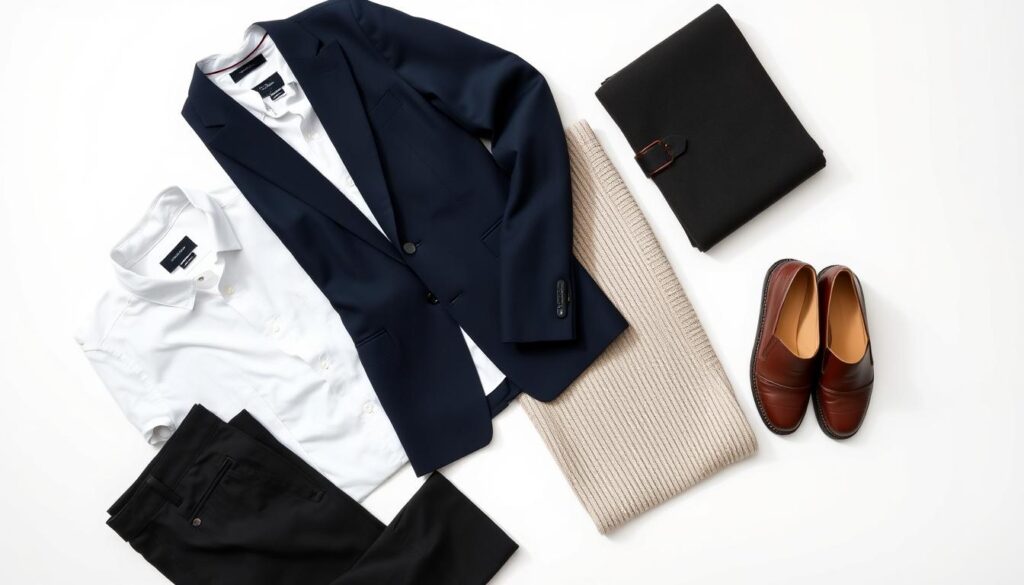
Begin with basic pieces for a flexible wardrobe foundation. Your starter kit should have a white tee, a neat button-down, a sharp blazer, dark jeans, chinos, a basic sweater, a little black dress, a multi-use coat, white sneakers, loafers, and ankle boots.
With these staples, you can easily go casual or more formal for work. If each piece works with three to five others, your outfit possibilities expand quickly without filling your closet.
Choosing neutral vs statement items
A wardrobe built on neutral colors like navy, black, white, beige, and gray is easier to mix and lasts longer. Then add 4–8 bold pieces that show off your style, like a patterned top, a bright jacket, or a standout skirt.
For high-quality basics, try Uniqlo, Everlane, or Madewell. Zara and Anthropologie are great for fashion-forward pieces. This balance keeps your wardrobe interesting and well-rounded.
Seasonal adjustments and layering strategy
Adapt your capsule for all seasons. For spring and fall, choose light knits and blazers. Winter calls for warm layers like thermals and wool, while summer is perfect for linen and cotton. Think about layers in terms of base, middle, and outer.
Pick materials that are both sturdy and comfy for everyday use and travel, like merino wool, cashmere blends, and cotton. These fabrics keep you comfortable and stand up to wear and tear.
Keeping your wardrobe in top shape means smart laundry practices, storing seasonal clothes in breathable containers, and updating pieces occasionally. This strategy keeps your style fresh and stops you from buying things you don’t need.
Choosing Colors and Patterns That Work Together
Getting the right mix of color and pattern makes any outfit look great. Start with a neutral base. Then add a main color and a single accent to keep your outfit balanced. Try starting with simple color combos like navy, camel, and burgundy. Or go for gray, white, and pastel blue. These mixes work well for both work and the weekend.
Basic color ideas
Think of the color wheel as an easy guide. Colors that are opposite each other are complementary and add contrast. Colors next to each other are analogous and create a peaceful look. Using one color in different shades gives a modern vibe.
For a great everyday look, start with one neutral piece. A trench coat or blazer works well. Then add shirts or trousers in your main color. Use this combo to pick your shoes and bags. Go for brands like J.Crew, Banana Republic, or H&M to keep colors matching.
Mixing patterns without clashing
Mixing patterns? Change the size of the patterns you pair. Combine a big check with a small stripe to keep things balanced. Use a coherent color scheme to connect the prints.
Add neutrals to give your eyes a break between patterns. A vertical striped shirt with a floral scarf works nicely. Or try a polka-dot blouse under a soft plaid blazer. This keeps patterns in your outfit from clashing.
Using accents and pops of color strategically
Use bright colors as a focal point in your outfit. Scarves, belts, and shoes are easy ways to add color without going too far. A colorful coat or bag can be the main point of an outfit.
Put bright colors close to your face to draw attention upwards. A burgundy scarf can make a navy sweater pop. A pastel blue shoe can freshen up a neutral outfit.
Tools and practical pattern mixing tips
Before you buy, try out colors. Use Pantone guides, color palette generators, or Pinterest to see how colors look together. These tools help you visualize how your main color and an accent will look across different fabrics.
| Goal | Easy approach | Examples |
|---|---|---|
| Build a cohesive palette | Start neutral, add one dominant hue and one accent | Navy + camel + burgundy; Gray + white + pastel blue |
| Mix patterns | Vary scale, keep color story, add neutrals | Large check + thin stripe; Polka dots + subtle plaid |
| Add focal points | Use accessories or single bright garment | Bright scarf, colored belt, bold coat |
| Test combinations | Use Pantone tools, palette apps, Pinterest | Save boards, compare swatches, try virtual editors |
| Reliable brands for color | Choose retailers with consistent dye lots | J.Crew, Banana Republic, H&M |
Finding the Right Fit: Tailoring and Proportion Tips
A good fit changes everything about an outfit. For example, a jacket that fits well on your shoulders can make your entire look better. Small changes, like adjusting sleeve length or waist size, can make even low-priced items look great. Before buying, know what adjustments a garment might need.
How fit affects overall style
The shoulder seam of your jacket or shirt should just meet the edge of your shoulder. This detail keeps your top half from looking messy. How a waist fits shapes the look of dresses and tops. The way pants end at your shoes affects your overall outline.
Check how sleeves and the rest of your outfit fit in different positions. This way, you’ll notice if something only looks good when you’re still.
Simple tailoring fixes that elevate looks
- Hemming skirts and pants to match your shoe height.
- Adjusting side seams to improve how the waist fits.
- Making sleeves shorter on jackets and shirts for a tidy look.
- Narrowing pant legs to get rid of extra fabric.
- Fixing waistbands to stop them from gaping.
Search for trusted tailors nearby or well-known chains for quality alterations. In big cities, hemming starts at $15 to $35, adjusting seams can cost $20 to $75, and more complex changes may go over $75. Keep these prices in mind when planning alterations for a better fit.
Balancing proportions for different body types
Rectangular bodies can highlight their waist with belts or tucking in tops for more shape. Pear shapes look good in A-line skirts or wide pants that balance their lower half. Inverted triangles can choose structured tops and slim pants to play down broad shoulders.
To dress well for your body, think about matching different lengths and sizes. High-waist pants make legs look longer. Try a cropped jacket to visually shorten your upper body. Stores like Nordstrom and ASOS have guides that help when buying online.
Visual cues and measurement habits
Keep track of your measurements and notice sizes across brands. Always try clothes on with the intended undergarments. Taking photos can help judge how balanced an outfit looks. These practices help you adjust your style to fit your body better over time.
Styling for Different Occasions: Casual to Formal
Picking the right clothes for an event helps you feel good and confident. This guide explains simple outfits for daily life, work, and special events. You can switch a few items to change from casual to formal easily.
Everyday casual looks that are effortless
Begin with easy casual outfits that you can wear often. Mix a white tee, jeans, and blazer for a neat look for errands or meeting friends.
Combine a knit sweater, midi skirt, and sneakers for comfort. Choose cotton or soft wool to stay cozy.
Wear a denim jacket with a sundress for a cheerful outfit. Change it up with necklaces or a hat quickly.
Office-appropriate styling without sacrificing comfort
For the office, choose outfits that look sharp but feel good. Wear a tailored blazer and trousers for a clean look.
A knit dress with loafers is both neat and easy to move in. Pick materials like merino to keep cool.
Silk blouses and a pencil skirt look professional. Choose comfortable shoes for walking.
Dress codes at work depend on the place. Creative jobs might like blazers with jeans, while formal places prefer suits.
Smart-casual and formal event outfit ideas
For a smart-casual look, upgrade your basic outfit. Switch to leather loafers or heels and add a necklace or coat.
Choose classic pieces for formal events. A suited suit or dress with neat shoes looks sharp and thoughtful.
Stick with simple accessories. Pay attention to hair and makeup for a polished finish.
Dress codes decoded with quick examples
- Casual: jeans and a tee with a lightweight jacket.
- Business casual: tailored trousers and a blouse or knit dress.
- Business professional: suit or structured dress with classic pumps.
- Cocktail: cocktail dress or dark suit with polished shoes.
- Black tie: tuxedo or formal gown, sleek accessories only.
Practical tips
If you need formalwear for one event, think about renting. Rent the Runway lets you borrow designer clothes for special occasions.
Adjust these ideas to match the weather and what you need. Little changes can refresh your look while staying comfortable and stylish.
Accessorizing to Transform an Outfit
Accessories can quickly change a look. Pairing a blazer with jeans and white sneakers makes it casual. Adding loafers instead gives a smart look, and pumps create a dressy feel. By simply using a silk scarf or a chunky belt, you can easily change your outfit’s vibe to match where you are or how you feel.
How accessories change the vibe of a look
A single standout piece can define your style. A professional look comes from a statement watch or a structured tote. Want a laid-back, artistic vibe? Try a patterned bandana or layered bracelets. It’s all about using different textures and sizes. Satin and pearls make you look elegant, while suede and studs are more laid-back.
Choosing the right shoes, bags, and jewelry
Choosing the right footwear is simple. Wear white sneakers for a casual look, loafers for smart-casual occasions, and pumps for formal events. With bags, think about what you need. A tote is great for work, a crossbody is perfect for doing errands, and a clutch is ideal for the evening.
Jewelry also sets the tone. For daily wear, go for minimalist studs and delicate chains. At night, bold necklaces or cocktail rings are perfect. Match your shoes and bags, and balance your jewelry with your outfit’s neckline or strap width for a harmonious look.
Layering accessories for a polished finish
Begin with a key item, like a statement necklace. Then, add smaller pieces such as thin rings or a simple bracelet. This way, your outfit has one main focus, which draws the eye without overwhelming it.
When mixing metals, do it with purpose. A gold pendant can look great with silver bangles. Just remember to keep proportions in mind. A big necklace works well with higher necklines, while delicate chains suit lower necklines better.
Taking care of your accessories is important for lasting style. Use a good conditioner on leather bags, keep jewelry in soft pouches, and protect silver with anti-tarnish strips. Spray shoes with a waterproofer and use shoe trees in pumps and loafers to maintain their shape.
| Item | Best Use | Styling Tip | Care Advice |
|---|---|---|---|
| White sneakers | Casual days, travel | Pair with rolled jeans or a midi dress for contrast | Wipe clean, use mild detergent, air dry |
| Loafers | Smart-casual, office | Wear with ankle-length trousers or a skirt | Polish leather, use shoe trees |
| Pumps | Formal events | Balance with slim trousers or sheath dresses | Store with heel protectors, avoid wet conditions |
| Tote bag | Work and commuting | Choose structured shapes to hold documents flat | Condition leather, empty and reshape after use |
| Crossbody | Errands and travel | Select secure closures and adjustable straps | Clean lining, avoid overloading |
| Clutch | Evening and events | Keep it sleek; match metallics to shoes or jewelry | Store flat, avoid crushing soft embellishments |
| Delicate chains & studs | Everyday wear | Layer thin chains of varying lengths for depth | Store separately to prevent tangles and scratches |
| Statement necklace & cocktail ring | Evening and special occasions | Let one piece dominate, keep other pieces simple | Polish gemstones, check settings regularly |
Creating Outfit Formulas and Go-To Looks
Start by making some easy outfit formulas that you don’t have to think about. These combos save you time deciding what to wear and keep your style fresh. By switching up fabrics, colors, and accessories, you can have new looks with the same basic pieces.
Simple outfit formulas for quick decisions
Have three or four go-to templates ready. For casual chic weekends, try Blazer + Tee + Jeans. For a balance in cool weather, go for Sweater + Midi Skirt + Boots. And for a professional look, combine Shirt + Tailored Pants + Loafers.
Think of each formula as a basic building block. Just changing a scarf, belt, or pair of shoes can completely change your look. This strategy gives you trusted outfits for those mornings when you’re in a hurry.
Building signature looks that reflect your style
Choose key elements that show off your personal style. Stick to a certain color scheme, preferred shape, or a unique accessory, like a silk scarf or a fedora, to build your signature style.
Get inspiration from style icons like Audrey Hepburn or today’s influencers for consistent themes. Repeating one standout feature can make your look intentional and memorable.
How to document and rotate outfits effectively
Snap photos of your outfits every week to make a visual diary. Use apps like Stylebook or Cladwell to organize looks by season and event. This makes rotating outfits easy.
Set up a plan for changing your wardrobe with the seasons to avoid wearing the same things too often and to reduce impulse purchases. Spending 10–15 minutes each week planning outfits can save you time and make mornings less stressful. Keep your favorites in regular rotation.
Here’s a practical guide to setting up your routine and catalog.
| Task | How Often | Tools or Items | Benefit |
|---|---|---|---|
| Capture outfits | Weekly | Phone camera, Stylebook, Cladwell | Creates a visual archive for easy repeat use |
| Create formulas | One-time setup, review seasonally | Wardrobe staples like blazer, jeans, skirt | Reduces daily decisions and builds go-to outfits |
| Plan rotation | Monthly or seasonal | Spreadsheet, app calendar, wardrobe inventory | Ensures balanced wear and prevents outfit fatigue |
| Weekly planning ritual | 10–15 minutes weekly | Coffee, calendar, outfit photos | Saves time and eases dressing stress |
| Update signature elements | Every season | Accessories, color palette, preferred silhouettes | Refines signature style building and keeps looks current |
Using Inspiration and Trend Editing for Personal Style
Start by finding looks you love. Check out fashion posts on Instagram and TikTok, Pinterest, Vogue, and Harper’s Bazaar. Also, see what people wear at fashion weeks. Make sure to follow different body types and affordable styles. This helps keep your style ideas real and handy.
Try out new trends without fully committing. Use accessories or shop at affordable stores like H&M and Mango. This approach lets you play with new trends on a budget before spending more.
Sort your fashion finds into categories. Make different folders or Pinterest boards for work, weekend, and night out looks. Organize them by shape, color, or material. This makes it easier to find outfit ideas when you need them.
Pick one key detail from every look that catches your eye. It could be a unique color inside, the length of sleeves, or how clothes are layered. Use these details to create new outfits from your own clothes without copying the entire look.
Regularly update your style to keep it fresh. Every three months, decide what trends keep you looking your best and ditch the rest. Think about selling or renting clothes to try new looks without a big commitment.
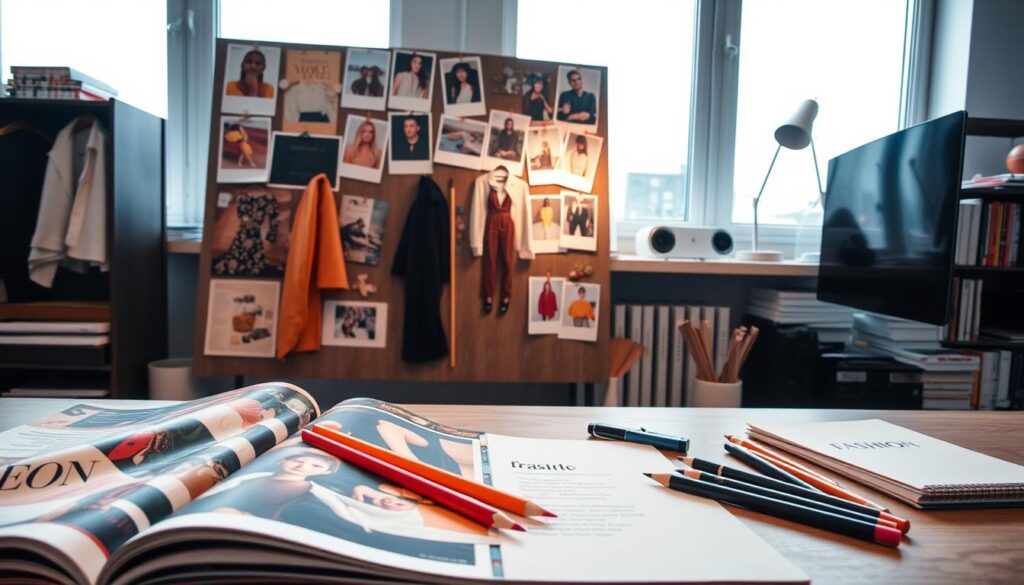
Create mood boards for quick outfit choices. Match a photo with three items from your closet. This trick helps you quickly put together outfits you’ll love wearing again and again.
Use a simple checklist before following a trend: it should go with your colors, fit with your existing clothes, and be easy to wear and care for. This approach keeps your fashion choices both purposeful and lasting.
Practical Styling Tips for Packing and Travel
Travel should make style easier, not harder. Keep your packing simple to make sure your looks stay fresh and your luggage stays light. Stick to a few base colors and one accent color to create more outfits.
Packing light with versatile outfit combinations
Use a 7–10 item packing list: 2 bottoms, 3 tops, a blazer or jacket, a dress, 1 pair of shoes, underwear, and some accessories. Choose jeans or tailored pants plus a neutral skirt as bottoms. Select tops that layer easily to make packing versatile outfits simple.
Wrinkle-prevention and outfit planning on the go
Roll your clothes and use packing cubes to save space and keep things arranged. Turn delicate items inside-out to safeguard them. Pack clothes that don’t wrinkle easily, like ones made of merino or polyester-silk blends, to cut down on ironing.
Carry a small travel steamer or wrinkle-release spray for fast touch-ups. If there’s no steamer, hang clothes in the steamy bathroom or use a low heat hairdryer as an alternative to hotel irons.
Creating travel-friendly capsule wardrobes
Create seasonal capsules, like a spring city capsule with a trench coat, jeans, loafers, a light sweater, and a printed scarf. Choose items that can be worn in multiple ways, like a dress that’s good for both day and night.
Take a small repair kit and travel-sized soap for washing essentials on the go. For organized and durable packing options, consider luggage from brands like Away or Samsonite that offers good organization and TSA-friendly features.
Make a list of outfits and take some reference photos to keep from overpacking. Combine these outfit planning tips with the versatile packing strategy to keep your travel style effortless and light.
Conclusion
This guide shows you how to style outfits. Remember these points: the right fit is crucial, colors should work well together, basic items make mornings easier, and accessories enhance any outfit. Always start by ensuring your clothes fit well. Then, add charm with colors and patterns. Stick to essentials from Everlane, J.Crew, and Nordstrom. Rent the Runway is great for special events.
Want to find your unique style? Begin with small steps. Check your closet, try out five different outfit combinations over two weeks, and get at least one item tailored. This can make a big difference. Track your ideas and what outfits you like using Stylebook or Pinterest.
The tips provided are to simplify styling, aiming for ease over perfection. Make changes one at a time. Learn as you go and find joy in the process. With a few trusted items, clear outfit plans, and thoughtful accessories, you’ll boost your confidence and readiness every day.
FAQ
What does “how to style outfits” actually mean?
How do I start building a capsule wardrobe?
What are simple outfit formulas I can use every day?
How should clothes fit to look polished?
How do I mix colors and patterns without clashing?
What accessories should I invest in first?
How can I adapt trends without overhauling my wardrobe?
What should I pack to travel light but stay stylish?
How can I create signature looks that feel like “me”?
Can affordable brands still make a polished wardrobe?
How do I maintain and store seasonal items effectively?
Where can I find realistic outfit inspiration online?
Content created with the help of Artificial Intelligence.