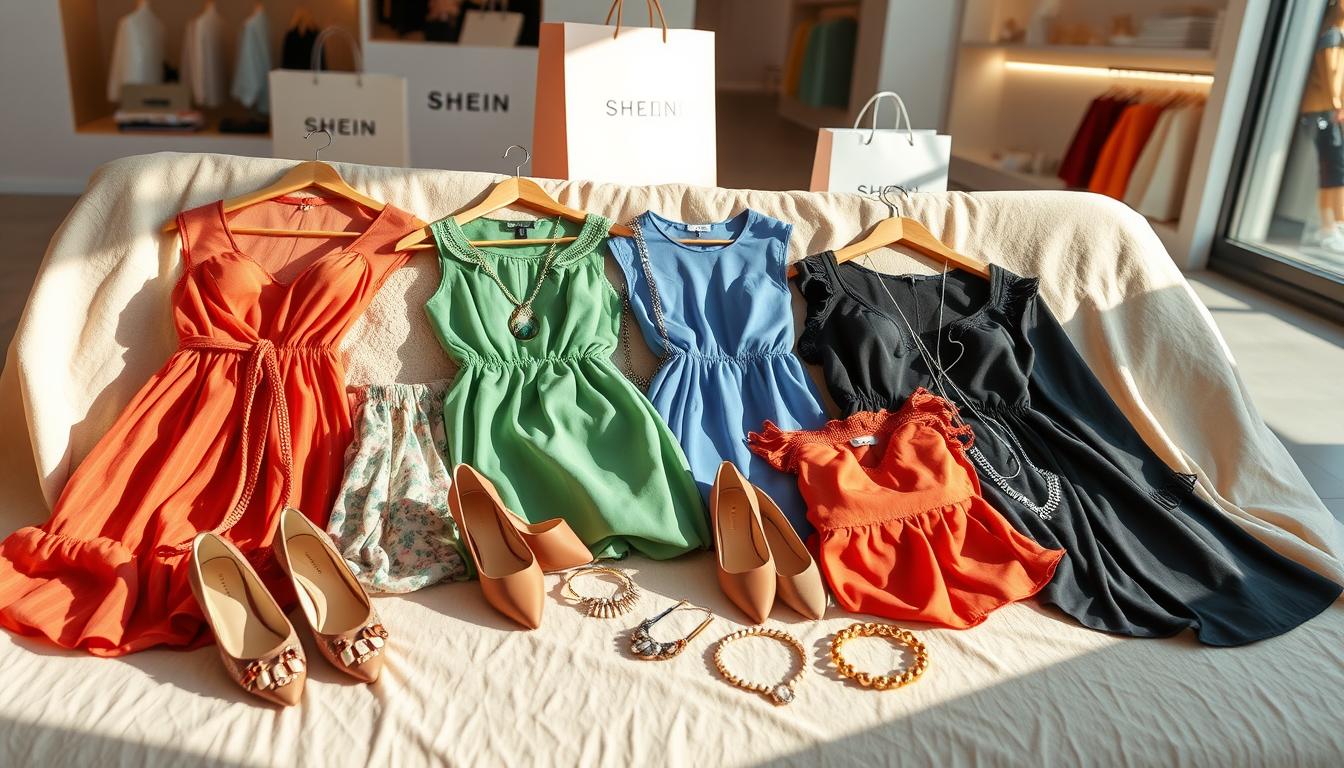
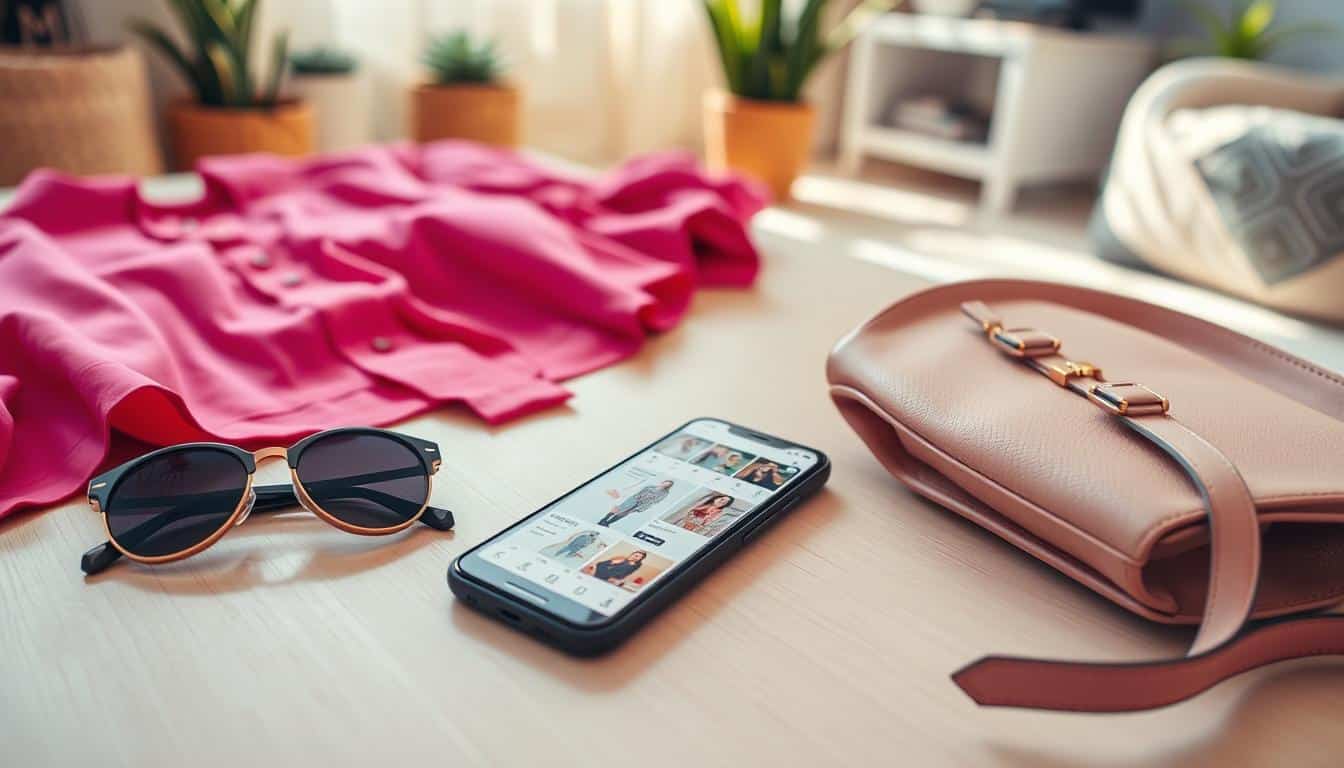
Welcome to your U.S.-focused guide on 2025’s best trends. See it as a helpful, timely guide to new trends in style, home, tech, food, travel, work, and wellness.
“Trends to try” are practical ideas for this year. You can go for a simple change or a big lifestyle shift. This guide collects trend inspirations, product recommendations, and steps to start without searching everywhere.
The guide is very practical. It gives tips for all budgets. Find examples from trusted brands for fashion, smart home tech, and food sourcing. Also, learn budget-friendly and green ways to follow each trend.
Each section describes the trend, its importance, examples from real-world brands, and actions you can take this month. It focuses on U.S. readers, with American retailers, domestic travel advice, and workplace practices for U.S. audiences.
Meta Title: Fresh Trends to Try in 2025 – Get Inspired Now!
Meta Description: Discover top trends for 2025 in fashion, home, tech, food, travel, and work. Find practical ideas, brand recommendations, and quick steps for U.S. readers.
Key Takeaways
- “Trends to try” means practical, adoptable ideas for 2025 trends.
- This guide curates new trends 2025 across multiple lifestyle areas with U.S. relevance.
- Recommendations include reputable brands and cost-effective, sustainable tips.
- Each section provides what the trend is, why it matters, and quick action steps.
- Use this resource as trend inspiration and a plan for the coming months.
Why 2025 Is a Breakout Year for New Trends
Get ready for 2025 to feel unique. People’s tastes and how they spend money are changing. This is happening as technology gets better and culture talks get louder. Because of this mix, trends in 2025 spread fast. And more folks are keen to see what’s coming.
Social and cultural forces shaping the year
Young shoppers, like Gen Z and younger Millennials, control the trends. TikTok quickly turns small styles into big trends. When streetwear meets luxury fashion on runways and Instagram, it shows how trends can spread in both directions.
Values are just as important as looks. There’s a big push for mental health and taking it easy, which raises interest in simple travel, wellness tech, and natural beauty. The way we find trends is changing thanks to creators and technology on platforms like TikTok and Instagram. Talks on podcasts and online make these trends catch on even faster.
Economic and technological drivers behind rapid adoption
Smarter AI, cheaper tech, and better internet let companies release new tech quickly. These advances help speed up the spread of trends like AI helpers and new gadgets to wear.
Companies are making their supply chains stronger. Brands like Levi’s and Patagonia focus on fixing and recycling clothes. This makes it easier for people to shop in a way that’s good for the planet.
Overall, many shoppers now prefer meaningful experiences or items that last over just buying lots of things. This change makes them want better quality in food, travel, and items for their home.
How to evaluate which trends fit your lifestyle
When looking at new trends, ask yourself some simple questions. Does it fix a real problem? What’s the cost to the planet and your wallet? Is it a trend that will last or soon be forgotten? How easy is it to start using it without spending much money or time?
Start small before going all in. Try eating plant-based meals twice a week for a month, get an easy-to-care-for plant, or use a simple skincare product. Note how each test changes your daily life and mood.
Look for advice from places you trust. Read what McKinsey and Forrester have to say. Check product reviews on Wirecutter and Consumer Reports. Use Reddit and its special groups to see what real users think before you decide on which trends to follow.
Fashion and Style Trends to Try in 2025
New looks for 2025 offer a blend of smart choices and bold designs. Expect advice on eco-friendly fabrics and playful, future-inspired shapes. These tips will help you shop wisely and keep your style up-to-date.
Sustainable fabrics and circular wardrobes
Keep an eye out for materials like Econyl, recycled polyester, Tencel lyocell, hemp blends, and innovative leathers such as Mylo and Piñatex. These are key in 2025 for their durability and low environmental impact.
For a sustainable closet, try buying less and choosing long-lasting items. Fix or tweak your clothes, buy second-hand from places like ThredUp, Poshmark, or The RealReal. Also, use take-back programs from brands like Patagonia and Eileen Fisher Renew.
Look for labels showing standards such as the Global Recycled Standard or OEKO-TEX. It’s good to support brands that are open about their processes and where their materials come from.
Retro-futuristic silhouettes and color palettes
The retro-futuristic look mixes smooth, boxy cuts with dramatic shoulders and flowy pants. Suiting styles hang low and metallics add a modern twist, reminiscent of Y2K and mid-20th-century future ideas.
This trend prefers warm neutrals alongside vibrant teal, lavender, and pewter. Designers like Prada and Off-White lead the way in bringing these colors into daily fashion.
Style tip: Combine a retro-futuristic item with a timeless piece to keep it practical. Try a sharp jacket with casual jeans or a plain shirt.
Accessory trends that make a statement
On the lookout for eye-catching accessories? Consider bold jewelry, large gold chains, and unique earrings. Bags that are both functional and chic, like modular crossbodies and versatile totes, are in.
Tech accessories are also trending, with smartwatches and early AR glasses mixing tech and fashion. Check out Etsy or brands like Mejuri and Fossil for such innovative accessories.
To start, choose one bold accessory to uplift simple outfits. Focus on sustainably made or second-hand options to stay eco-friendly while exploring new trends.
Home and Interior Design Trends to Try in 2025
This year, design is all about comfort, reconnecting with nature, and smart, flexible living spaces. The focus is on creating homes that are both intentional and welcoming. Every room is designed to adapt, soothe, and inspire while maintaining a sleek, modern aesthetic.
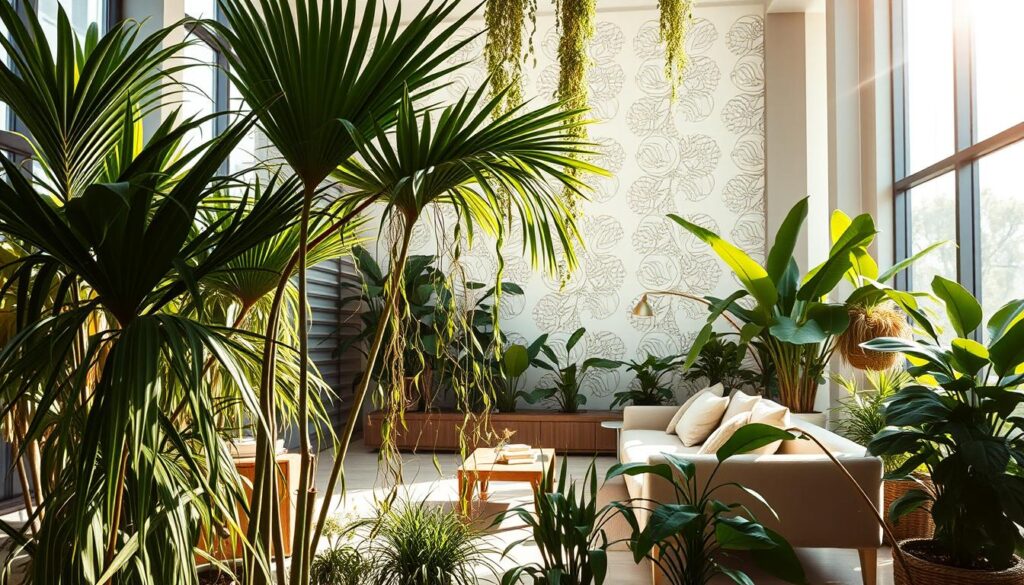
Biophilic principles and indoor greenery
The core of biophilic design is bringing the outdoors inside. It’s about maximizing natural light, incorporating materials like wood and stone, and mirroring the outdoors within your living space. Indoor plants not only make spaces vibrant but also improve air quality and reduce stress.
When picking plants, aim for varieties that are easy to take care of, such as pothos, snake plants, and fiddle leaf figs. Spider plants and ZZ plants are great for air purification and require little maintenance. Adding features like living green walls or terrariums integrates greenery beautifully. For beginners, Bloomscape and The Sill offer helpful start-up tips and delivery.
Multifunctional layouts for modern routines
Today’s homes must cater to work, play, and rest all under one roof. Spaces must quickly transition, using smart furniture like foldaway desks and Murphy beds. Acoustic panels and directional microphones keep work calls private without compromising style.
To create such versatile spaces, consider IKEA’s modular options or West Elm’s pieces focused on storage. A local carpenter can craft custom solutions tailored exactly to your needs. Use rugs, shelving, and lighting to define different areas, ensuring they’re both functional and separate from relaxation zones.
Color and texture moves for a cozy modern home
Warm earthy tones, including terra cotta and ochre, are trending, along with soft greens and muted aquas. Pair these with charcoal and cream for a balanced look. Textures are key; think boucle fabrics, tactile ceramics, and handwoven textiles for added warmth and depth.
To refresh your space, try swapping out small items like throw pillows, opting for a new rug, or changing a light fixture. Explore Target’s Hearth & Hand, West Elm, or Etsy for both budget-friendly and unique artisanal finds.
| Focus | Key Elements | Practical Picks |
|---|---|---|
| Biophilic design | Natural light, wood, living plants, green walls | Pothos, snake plant, fiddle leaf fig, Bloomscape, The Sill |
| Multifunctional spaces | Fold-away desks, convertible furniture, acoustic treatments | IKEA modulars, West Elm storage, local carpentry |
| Color and texture | Warm earth tones, soft greens, boucle, ceramics | Terra cotta accents, statement rugs, Etsy artisans |
Beauty and Self-Care Trends to Try in 2025
In 2025, beauty will focus on simplicity, transparency, and helpful tech. You’ll find routines that are quick and products that clearly list ingredients. Devices will also be available to track your beauty goals. These trends aim to blend effective results with simple daily steps.
Minimalist routines and skinimalism
Skinimalism emphasizes using fewer products that serve many functions. It’s all about healthy skin over layers of makeup. A simple day routine could be a mild cleanser, a vitamin C serum, sunscreen, and a moisturizer with SPF. At night, using niacinamide and retinol can improve skin texture and tone.
Brands like CeraVe and Paula’s Choice offer essential products for skinimalism. Experts suggest keeping routines simple to avoid skin problems. This approach is both safe and beneficial for your skin’s long-term health.
Clean beauty innovations and ingredient transparency
Today’s consumers demand to know exactly what’s in their beauty products. Clean beauty in 2025 will feature products made from biotech, plant-based cleansers, and waterless items. These innovations help products work better and lower their environmental impact.
Brands like Drunk Elephant are known for their clear product information. Sites like EWG’s Skin Deep database are great for checking product claims. Labels and certifications make it easier to understand a product’s safety and eco-friendliness.
Wellness tech for personalized self-care
Wellness technology includes skin scanners and LED masks for at-home care. It also encompasses gadgets for better sleep and relaxation, like the Oura Ring and Muse headband. These devices offer personalized tips and track your progress.
While many gadgets are helpful, always check their scientific support. Choose a device that focuses on your main concern, such as sleep or stress. Combining technology with good habits like sleeping well can greatly improve your results.
Tech and Gadgets Trends to Try in 2025
Tech trends for 2025 focus on saving time and boosting wellbeing. Devices will smartly blend automation with user control. Try out changes from cloud AI to smart home devices for a calmer environment.
AI assistants 2025 are now on various devices. Companies like OpenAI, Google, and Apple improve conversational tools. These help with drafting, scheduling, and creating.
Use these AI tools for quick drafts. But always check your work for accuracy and privacy. Understand the privacy terms before sharing personal info.
Wearables today track recovery and mental health. Items like the Oura Ring, Whoop, and Apple Watch monitor heart and sleep data. Muse headbands help with meditation. These products help users improve their health with data.
Choose a wearable that fits your goal. Look at battery life and how easy it is to use the data. If the data seems complex, ask a doctor for advice.
Smart home tech focuses on comfort and efficiency. Start with a smart thermostat to reduce energy use. Add smart lights to help your natural sleep cycles. Consider smart locks and cameras for safety and convenience.
Choose Matter-compliant gadgets for easy compatibility. Pick devices that process data locally for privacy. Introduce smart devices slowly to avoid feeling overwhelmed.
Simple projects can enhance your smart home experience. Create a routine that readies your home each morning. Set up automations based on your presence at home. Use voice commands for easy and accessible control.
If you’re looking for new gadgets, mix an AI tool, a health wearable, and a smart home device. This combo shows how AI, wearables, and smart tech can simplify life and improve rest, focus, and safety.
Food and Dining Trends to Try in 2025
Dining culture is quickly evolving. Chefs, brands, and home cooks are updating menus with new values, tastes, and convenience. Look forward to a blend of plant-based creativity, better sourcing, and innovative dining that changes how we enjoy meals.
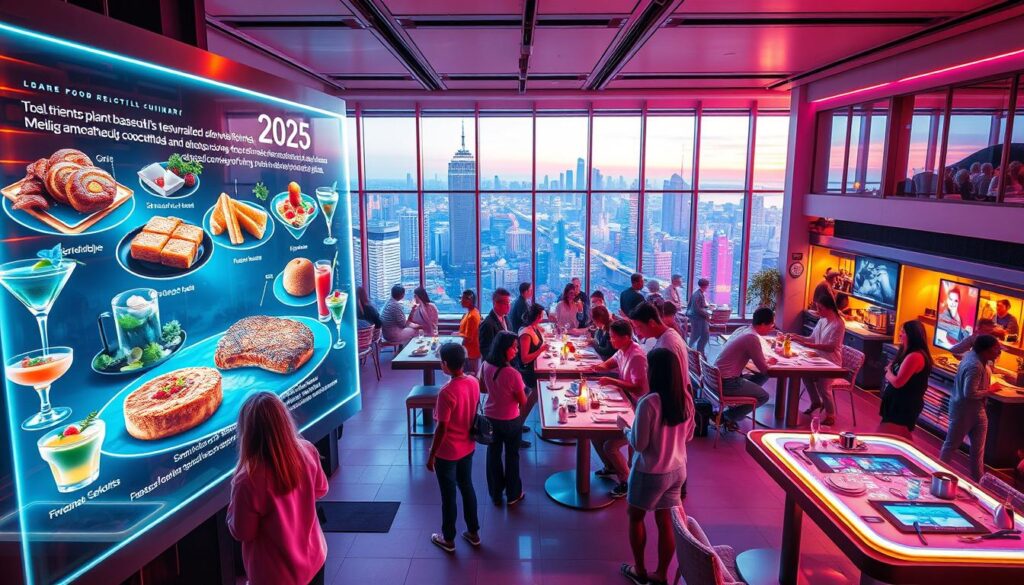
Plant-forward innovations are putting veggies and legumes front and center, while still catering to meat-eaters. Expect to see more whole grains, mushrooms, and beans. Plus, discover the creative use of jackfruit, tempeh, and seitan. Flavor boosters like miso, soy, and nutritional yeast will up the umami and overall satisfaction.
Alternative protein sources are growing quickly. Companies like Impossible Foods and Beyond Meat continue to stand out. Yet, new players like mycoprotein producers and cultivated meat startups are joining the scene. There are even products that mix real meat with plant proteins to reduce both emissions and prices.
Local sourcing is bringing fresher, more traceable options to menus. Thanks to farmers’ markets, CSA boxes, and supportive retailers, cooks can now easily access top-quality produce. This also helps the local economy.
Zero-waste cooking is becoming a norm in kitchens everywhere. Using everything from root to stem, making stocks from scraps, composting, and reusing materials cuts down on waste. Simple items like silicone bags and beeswax wraps make it easier for anyone to cook without waste.
The trend of fermentation is on the rise again, offering both great taste and gut health benefits. With home fermenting kits, making kimchi, sauerkraut, or pickles is simple. Sandor Katz’s guides are excellent for learning the right techniques.
Dining services are changing post-pandemic. Ghost kitchens, chef-led pop-ups, and outdoor events offer new dining experiences. Meal kits from companies like Blue Apron and HelloFresh bring restaurant-quality food right into your kitchen.
Contactless deliveries and subscription services are focusing on quality and source transparency. Today’s consumers demand to know where their food comes from and its nutritional value. This is influencing how eateries and food brands share information.
To get a taste of these trends, try a few small experiments: Order a top-tier meal kit, check out a chef’s pop up, or dine at a place that focuses on plants. These steps can make the newest dining trends feel both exciting and welcoming.
| Trend | What to Try | Practical Tip |
|---|---|---|
| Plant-forward dining | Vegetable-forward mains, mushroom ragù, jackfruit tacos | Swap one meat meal per week for a legume- or mushroom-based dish |
| Alternative proteins 2025 | Hybrid burgers, mycoprotein dishes, cultivated-meat trials | Sample brands at a restaurant before committing at home |
| Zero-waste cooking | Root-to-stem salads, homemade vegetable stock, composting | Save peels for stock and use silicone storage for leftovers |
| Fermentation | Kimchi, sauerkraut, kombucha, lacto-ferments | Start with simple recipes and follow trusted guides |
| Modern dining experiences | Ghost kitchens, meal-kit subscriptions, chef pop-ups | Subscribe to one service and attend a local pop-up quarterly |
Travel and Experience Trends to Try in 2025
By 2025, traveling is all about making deep connections. People now favor longer stays in local areas to really get to know the place. This approach makes trips unforgettable and is better for the planet.
Slow travel and immersive local experiences
Slow travel lets you deeply explore a place. You might take a cooking class, help out at a local center, or shop where locals do. Staying in an Airbnb for a month, using public transport, and joining local workshops are great ways to meet people and learn their ways.
In the U.S., consider jazz tours in New Orleans, coastal hikes in the Pacific Northwest, or visiting national parks in the off-season. This way, you avoid crowds and help local shops.
Sustainable tourism 2025 practices to prioritize
Choose options that help the planet and local folks. Stay at hotels with eco-friendly badges, fly non-stop if you can, and pick tours that care about the environment. For animal encounters, skip shows that harm them and go to places that focus on healing them instead.
Check out sites that prove these good deeds. Being mindful of our impact ensures we keep places beautiful for all.
How to plan flexible, future-proof trips
Start with bookings you can cancel and get insurance that covers if plans change. Track flight prices with tools like Google Flights or Hopper and keep your trip info in one spot with TripIt.
Being organized lowers stress. Pack with cubes, have backups of important papers, and check health and travel rules before you go. These steps help you adapt to changes and enjoy your journey.
trends to try in 2025 for Work and Productivity
By 2025, work will blend places, times, and skills in fresh ways. Google to Salesforce are trying out new schedules and office times. Workers seek clarity, fairness, and strong support tools for their tasks. Here are some steps to stay on top of the 2025 work trends while keeping your team productive and happy.
Hybrid and asynchronous work best practices
Hybrid work in 2025 will be a combo of office and remote days. It’s important to set clear rules for using chat, email, and shared documents. Make sure your meetings fit everyone’s time zones and keep video calls focused and to the point.
Use asynchronous work techniques like recorded updates and shared docs, setting common hours for everyone. Store decisions in platforms like Notion or Confluence to cut down on endless discussions. Make returning to the office fair for everyone and create a welcoming process for remote newcomers.
Tools and habits for focused, creative work
Pick the right tools for your team’s productivity. Tools like Asana, Trello, or Todoist work well with apps that keep distractions at bay, such as Forest or Freedom. Use the Pomodoro technique or time-blocking to keep deep work protected.
To boost creativity, carve out time for focused work and group similar tasks. Brainstorm using paper notebooks and try walking meetings for new ideas. Invest in a good chair, a second monitor, and a quality microphone for a better work experience at home.
Upskilling trends and microlearning for career growth
Short and hands-on learning paths are on the rise. Sites like Coursera, LinkedIn Learning, and General Assembly provide quick skills. Many employers will pay for these courses or sponsor projects for real-world experience.
Start using microlearning and set a learning goal for the next six to twelve months. Identify what skills you need for the job you want, and connect with others in your field through Slack channels or local events.
| Focus Area | Practical Steps | Recommended Tools |
|---|---|---|
| Hybrid norms | Define office/remote days, set meeting rules, ensure equity | Google Workspace, Microsoft Teams, Notion |
| Asynchronous workflows | Use recorded updates, core overlap hours, document decisions | Zoom recording, Loom, Confluence |
| Focus & creativity | Time-blocking, Pomodoro, walking meetings, analog brainstorming | Asana, Todoist, Forest, Moleskine notebooks |
| Workspace setup | Ergonomic chair, monitor, mic, cable management | Herman Miller, Dell monitors, Blue Yeti |
| Upskilling | Microcredentials, bootcamps, 6–12 month learning plans | Coursera, LinkedIn Learning, General Assembly |
Conclusion
2025 is starting strong with choices that are smart, kind to the planet, and tech-smart. This summary of trends for 2025 highlights how fashion, home items, beauty products, tech, food, trips, and work are all leaning towards better health, being real, and useful. It’s all about choosing trends that matter, not just stuff that adds clutter.
Remember to think about if it’s relevant, green, will last, and easy to start using. Don’t rush into all the trends at once. Instead, try one new thing each month and see how it goes. This method helps you figure out what’s really worth keeping and what’s just a temporary craze.
What to do next? Pick 2–3 trends from different areas — start with something small, then something a bit bigger, and finally something big and dreamy. Give it a month to see how it goes. Look for help from trusted brands and communities mentioned before. Share what you’re doing online with a special hashtag, keep up with the latest by following reliable sources, and stay tuned for more updates.
In closing, being careful and curious is key. Mixing smart choices with testing them out and listening to others will lead you to the best trends for 2025.
FAQ
What do you mean by “trends to try” for 2025?
How should I choose which trends fit my lifestyle?
Can I adopt trends on a tight budget?
Which brands are recommended for sustainable fashion and why?
What smart-home upgrades give the most value in 2025?
Are AI tools safe and useful for everyday tasks?
How can I experiment with plant-forward eating without losing flavor?
What travel trends are practical for U.S. trips in 2025?
Which wearables are best for mental and physical wellbeing?
How do I tell if a beauty or wellness device is worth buying?
What are easy home design swaps that make a big impact?
How should professionals navigate hybrid and asynchronous work in 2025?
Where can I find trustworthy trend and product validation?
Content created with the help of Artificial Intelligence.