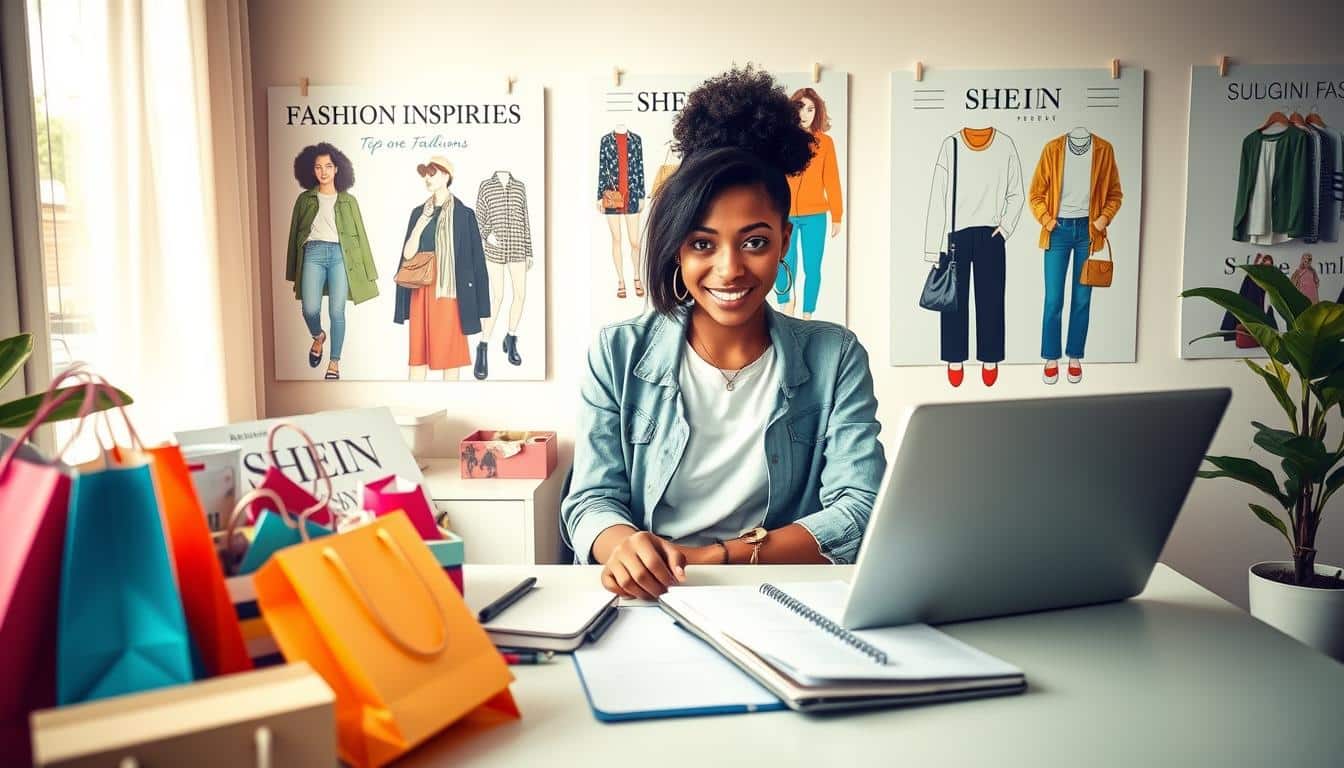
Fashion influencers shape what we wear and why we buy. From Instagram edits to short TikTok reels and YouTube lookbooks, these creators turn ideas into wardrobe movements. This article explores how fashion influencers drive style inspiration, influence retail decisions, and link consumers with brands across platforms.
In the United States, influencer marketing affects seasonal buying cycles and retail sales. Data from recent market reports shows clear spikes in searches and purchases when creators showcase items. That ripple effect is central to understanding fashion trends 2026 and the broader role of social media fashion.
This piece maps a 12-section roadmap. We’ll define modern influencers, examine how they set seasonal trends, compare platform strategies, and outline content types that boost engagement. You’ll also read about collaborations with designers, authenticity and trust, monetization tactics, diversity, measurement metrics, and ethical issues like sustainability.
Key Takeaways
- Fashion influencers translate trends into everyday looks that drive U.S. consumer behavior.
- Influencer marketing creates measurable spikes in searches and sales for featured items.
- Instagram, TikTok, and YouTube each offer unique tools for style inspiration.
- The article will cover collaboration models, monetization, and measuring campaign impact.
- Authenticity, diversity, and sustainability are central to lasting influence in 2026.
Who are Fashion Influencers and Why They Matter
Fashion content creators shape what people buy and wear by mixing personal style, storytelling, and clear visual voice. The definition of fashion influencer covers a range of creators who act as trendsetters, curators, and community leaders. Their posts help followers discover new labels, learn styling tips, and make confident purchases.
Micro-influencers with 10k–100k followers offer niche trust and high engagement. Macro-influencers with 100k–1M reach broad, active audiences. Mega-influencers and celebrities with 1M+ followers drive mass visibility for launches and major campaigns.
The influencer evolution is visible in formats and tools. Early fashion blogs and Tumblr edits gave way to Instagram’s visual curation. Short-form clips on TikTok and long-form tutorials on YouTube added new ways to teach styling and spark viral moments. Creators like Chiara Ferragni moved from blogging to building brands, while agencies and creator businesses now manage collaborations at scale.
The creator economy has expanded earning paths for influencers. Affiliate links, paid partnerships, product drops, and licensed collections let creators monetize influence while shaping product offerings. This shift turns personal channels into full-fledged businesses that brands rely on for audience insight.
Brands track influencer impact on brands through measurable effects: spikes in product search volume, sells-out items outside peak season, and feedback that changes future collections. Teams at Zara, H&M, and smaller labels monitor comments and DMs to learn about fit, color demand, and price tolerance. That direct line between audience and design speeds product adjustments and marketing choices.
In short, fashion content creators act as cultural translators between designers and shoppers. Their real-time feedback and storytelling steer trends, influence purchases, and reshape how brands build products and campaigns.
How Fashion Influencers Set Seasonal Style Trends
Influencers move quickly between visual ideas and real-world buying habits. Their posts can spark seasonal fashion trends overnight or nudge brands toward lasting changes. Below we break down how short-lived bursts differ from deeper shifts and show how creators partner with forecasters to shape what shoppers see on shelves.
Spotting micro-trends versus long-term movements
Micro-trends are fast, sharp spikes in interest. A single shoe silhouette or a neon color can explode on TikTok, tracked by rapid hashtag growth and retailer sellouts.
Long-term movements take shape over seasons. Examples include sustainability or gender-fluid dressing. These show up as repeated editorial coverage, runway adoption, and placement across multiple seasons.
To tell them apart, watch cadence and context. Sudden virality and one-season ubiance point to micro-trends. Steady brand commitments and cross-category echoes indicate deeper movements.
Examples of influencer-driven seasonal must-haves
Creators have driven clear seasonal must-haves in recent years. Ballet flats returned after Instagram stylists paired them with tailoring. Y2K low-rise jeans reemerged via viral clips from TikTok creators.
Toddler-core knitwear and cozy sets surged when family accounts showcased matching looks. Brands such as Aritzia and Zara have seen spikes after influencers champion pieces, while smaller DTC labels have scaled quickly from single endorsements.
Short videos and Reels accelerate adoption. A single viral clip can convert interest into demand and turn an item into a seasonal must-haves pick within days.
Collaboration between influencers and trend forecasters
Influencers no longer act alone. Agencies like WGSN and Trendstop consult creators to test concepts and validate gut instincts. Teams co-create mood boards and prototype capsules aligned to trend forecasting cycles.
Data from creators—engagement signals, saved posts, and comment themes—feeds product calendars. Brands and influencers time capsule drops to match seasonal rhythm, improving sell-through and relevance.
These collaborations blend creative risk with market intelligence. The result is faster experiments and more accurate reads on what forms the next wave of seasonal fashion trends driven by influencer-led trends.
Platform Strategies: Instagram, TikTok, and YouTube
Each platform rewards a different kind of creativity. Brands and creators must shape content around visual priorities, audience behavior, and commerce tools. A clear Instagram fashion strategy, an eye for TikTok fashion trends, and purposeful YouTube fashion content together form a robust social media fashion marketing plan.
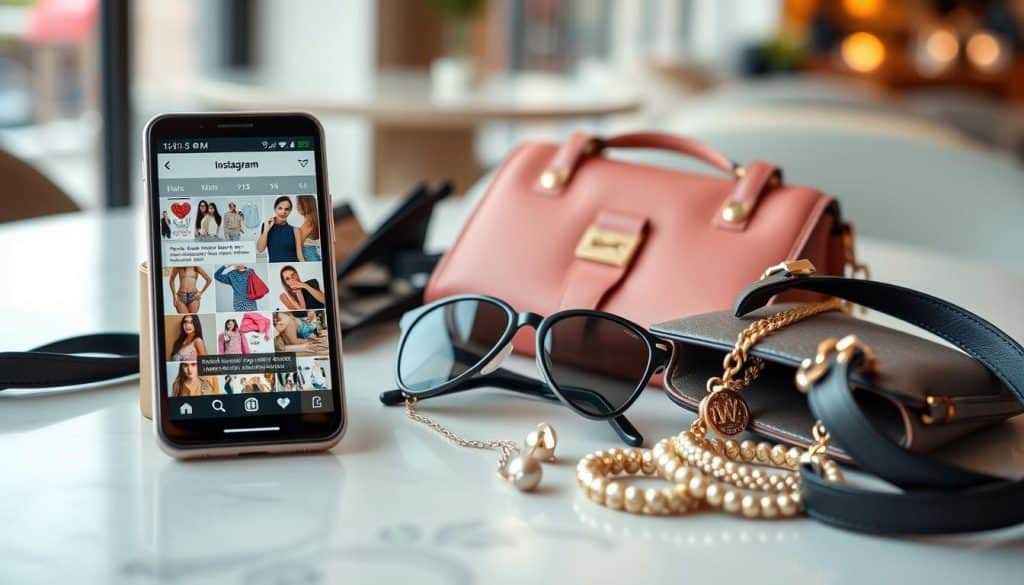
Visual storytelling and Instagram aesthetics
Instagram excels at curated feeds and polished photography. Use a cohesive color palette, consistent personal branding, and high-resolution images to create trust and aspiration.
Carousel posts let creators show outfit details and styling steps. Instagram Shopping and product tagging turn inspiration into purchase paths. Brands such as Zara and Gucci use product tags to shorten the path from discovery to checkout.
Short-form content and viral trends on TikTok
TikTok relies on algorithmic discovery and sound-driven trends. Quick styling hacks, fast transitions, and relatable challenges make looks spread fast.
Duets and remix features boost visibility and participation. A single viral clip can produce immediate sellouts, which is why marketers track trending sounds and creators test bold, snackable ideas for rapid impact.
Long-form style guides and lookbooks on YouTube
YouTube supports deep-dive tutorials, seasonal lookbooks, and wardrobe education. Longer videos let creators explain fit, fabric, and layering in ways short clips cannot.
Brands commission integrated lookbooks and product placements to reach attentive viewers. Cross-promotion from YouTube to Instagram or TikTok increases reach, while ad revenue and sponsorships help monetize longer form content.
Platform-specific tactics mean tailoring format, tone, and calls to action per channel. Use the strengths of each site to build a consistent voice across feeds. That layered approach strengthens any social media fashion marketing effort.
Content Types That Drive Engagement in Fashion
Successful fashion channels mix easy wins with deeper storytelling. Short, relatable posts hook new viewers. Longer, transparent pieces build trust. Below are content types that consistently boost engagement and sales.
Outfit inspiration and intimate wardrobe reveals
Outfit-of-the-day posts give clear, wearable ideas that audiences copy the same week. Creators who show practical styling tips turn casual viewers into repeat followers.
Closet tour videos create a sense of access. Fans learn curation strategies, storage tricks, and why a piece earned a permanent place. That intimacy makes recommendations feel personal.
Hands-on try-ons and honest product feedback
A try-on haul that includes measurements, movement shots, and side-by-side comparisons wins credibility. Viewers need to know how items drape, stretch, and hold up in real life.
Fashion reviews that call out fit issues, fabric quality, and sizing runouts reduce returns and lift conversion when paired with honest commentary. Affiliate links perform better when trust is high.
Creative behind-the-scenes and daily routines
BTS fashion content humanizes creators. Day-in-the-life clips from runway prep to brand photoshoots reveal the decision process behind a look.
These glimpses of sourcing, fittings, and on-set fixes deepen engagement. Audiences start to see influencers as experts rather than advertorial faces.
| Content Type | Primary Benefit | Best Platform |
|---|---|---|
| OOTD posts | Immediate style inspiration that encourages saves and shares | Instagram, TikTok |
| Closet tour videos | Builds intimacy and shows curation plus organization tips | YouTube, Instagram |
| Try-on haul | Demonstrates fit and quality, boosts purchase confidence | YouTube, TikTok |
| Fashion reviews | Provides authoritative buying advice and reduces uncertainty | Blogs, YouTube |
| BTS fashion content | Humanizes creators and showcases expertise | Instagram Stories, TikTok, YouTube |
Collaborations Between Designers and Influencers
Collaborations blend creative worlds. Brands tap influencer reach while creators gain design cred. These projects range from fast, limited drops to longer-term partnerships and change how audiences see both parties.
Capsule collections often appear as tight, curated lines. Retailers like H&M have used limited-edition capsules with designers to create buzz and rapid sell-through. Brands time seasonal drops or holiday launches to match shopping rhythms, using scarcity to push early purchases. Licensed collaborations let influencers lend signature style while established houses keep production control.
Co-branded drops create shared ownership of a product story. Revolve’s influencer-driven capsules show how co-branded drops can move inventory fast and attract younger shoppers. The design input from creators helps translate social trends into tangible pieces that feel authentic on shelves and feeds.
Well-chosen partnerships modernize legacy labels and reach new demographics. When a luxury brand teams with a high-profile creator, street credibility can rise and social mentions spike. Poor fits harm trust; mismatched collaborations risk alienating core customers and dilute a brand’s identity.
Partnership case studies reveal measurable wins. H&M’s designer collaborations recorded massive earned media and quick sellouts. Revolve’s co-designed capsules produced high sell-through rates and clear traffic lifts. Celebrity-led collections often drive social engagement that traditional ads struggle to match.
| Partnership | Model | Timing Strategy | Key Outcome |
|---|---|---|---|
| H&M x Luxury Designers | Limited-edition capsule collections | Seasonal launches with heavy PR | Large earned media, rapid sellouts |
| Revolve x Influencers | Co-branded drops and influencer-curated lines | Staggered drops timed to influencer campaigns | High sell-through, increased site traffic |
| Celebrity Designer Partnerships | Licensed collections with celebrity input | Holiday or event-linked releases | Boosted social mentions and brand recall |
Careful planning makes influencer-designer partnerships work. Clear creative roles, aligned audiences, and smart timing turn collaborations into ongoing growth drivers. When metrics like sellout rate and social lift are tracked, brands see which approaches scale.
Authenticity and Trust: Building a Loyal Audience
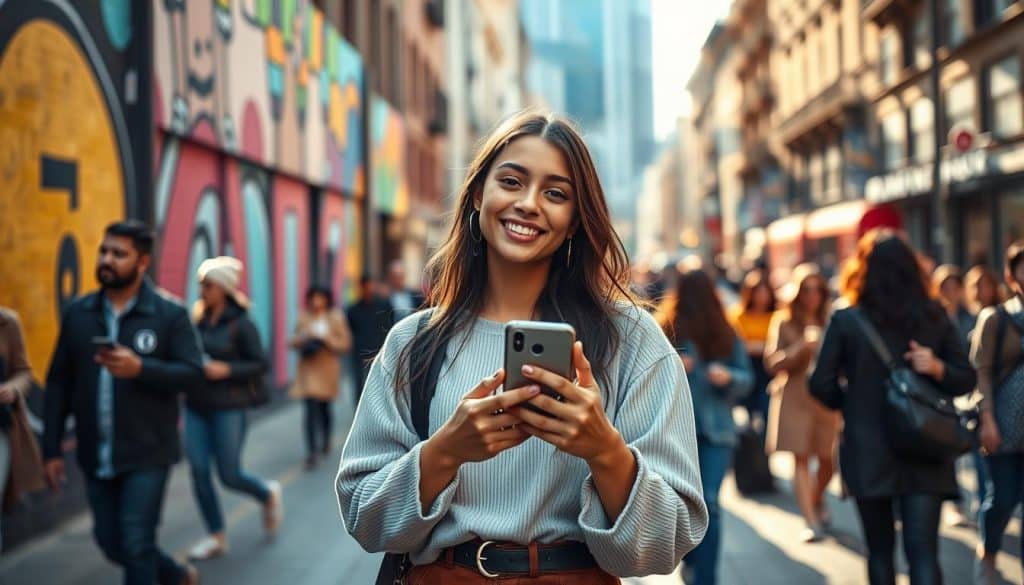
Audiences connect when creators feel genuine. Clear voice and consistent values help shape influencer authenticity. That bond makes sponsored messages land with more credibility.
Balancing sponsored content with genuine recommendations
Mix paid posts with unpaid favorites to keep feed variety. Storytelling that explains why a piece fits daily life makes promotions feel natural. Limit sponsorship frequency so followers do not feel overwhelmed.
Transparency, disclosures, and FTC guidelines
Disclose material connections plainly with tags like #ad or #sponsored. Follow FTC influencer guidelines by making disclosures clear and conspicuous in captions and videos. Comply with platform rules to avoid penalties and protect long-term audience trust.
Community building and two-way engagement
Reply to comments and hold live Q&A sessions to deepen community engagement. Run polls and ask followers for input on product choices to create ownership. Private groups and forums encourage richer conversations and stronger loyalty.
| Goal | Practical Tactics | Benefit |
|---|---|---|
| Maintain influencer authenticity | Share behind-the-scenes stories, honest reviews, and mission-driven posts | Higher credibility, stronger audience trust |
| Ensure sponsored content balance | Adopt a 3:1 ratio of non-sponsored to sponsored posts, label collaborations upfront | Prevents follower fatigue, preserves engagement |
| Follow FTC influencer guidelines | Use clear disclosures, keep sponsorship language simple and visible | Reduces legal risk, maintains transparency |
| Boost community engagement | Host weekly lives, respond within 24 hours, create polls and AMAs | Stronger loyalty, better feedback for content decisions |
| Protect audience trust | Prioritize products you use, limit overly promotional partnerships | Long-term relationships, higher conversion from recommendations |
Monetization: How Influencers Turn Style into Income
Turning a following into a business means mixing smart strategy with creativity. Influencers rely on multiple revenue sources to build steady creator income streams. Each model has trade-offs for control, margin, and audience trust.
Affiliate marketing and trackable links
Affiliate marketing fashion is a common entry point for creators. Programs like RewardStyle, ShopStyle, and Amazon Associates pay commissions when followers purchase through trackable links or promo codes. Commissions vary by retailer, from a few percent to 20% or more for niche brands.
Trackable links let creators measure conversions and optimize posts. Promo codes give shoppers an incentive while attributing sales to the influencer. Clear reporting helps brands calculate ROI and decide whether to scale partnerships.
Sponsored posts, ambassadorships, and licensing deals
Sponsored posts pay per piece of content or by campaign. Agencies and brands may offer one-off fees, retainer agreements, or performance bonuses. Rates depend on reach, engagement, and niche expertise.
Long-term ambassadorships stabilize income by guaranteeing recurring payments and deeper creative collaboration. Licensing deals take that a step further. When an influencer designs a product line, royalties create passive revenue as items sell.
Merchandise, digital products, and paid content models
Direct-to-consumer fashion merch—tees, accessories, limited drops—lets creators capture higher margins than affiliate links. Platforms such as Shopify and Printful streamline fulfillment for small teams.
Digital offerings add scalability. E-courses, downloadable style guides, and lookbook PDFs sell without inventory and teach followers proven styling methods. Subscription models on Patreon or exclusive platform channels provide recurring revenue for premium content. Creators who combine physical goods, digital products, and memberships diversify risk and strengthen long-term revenue.
Balancing these tactics turns influence into a sustainable business. Thoughtful mixes of affiliate marketing fashion, sponsored posts, and owned fashion merch create resilient creator income streams that grow with audience trust.
Diversity and Inclusivity in Influencer Spaces
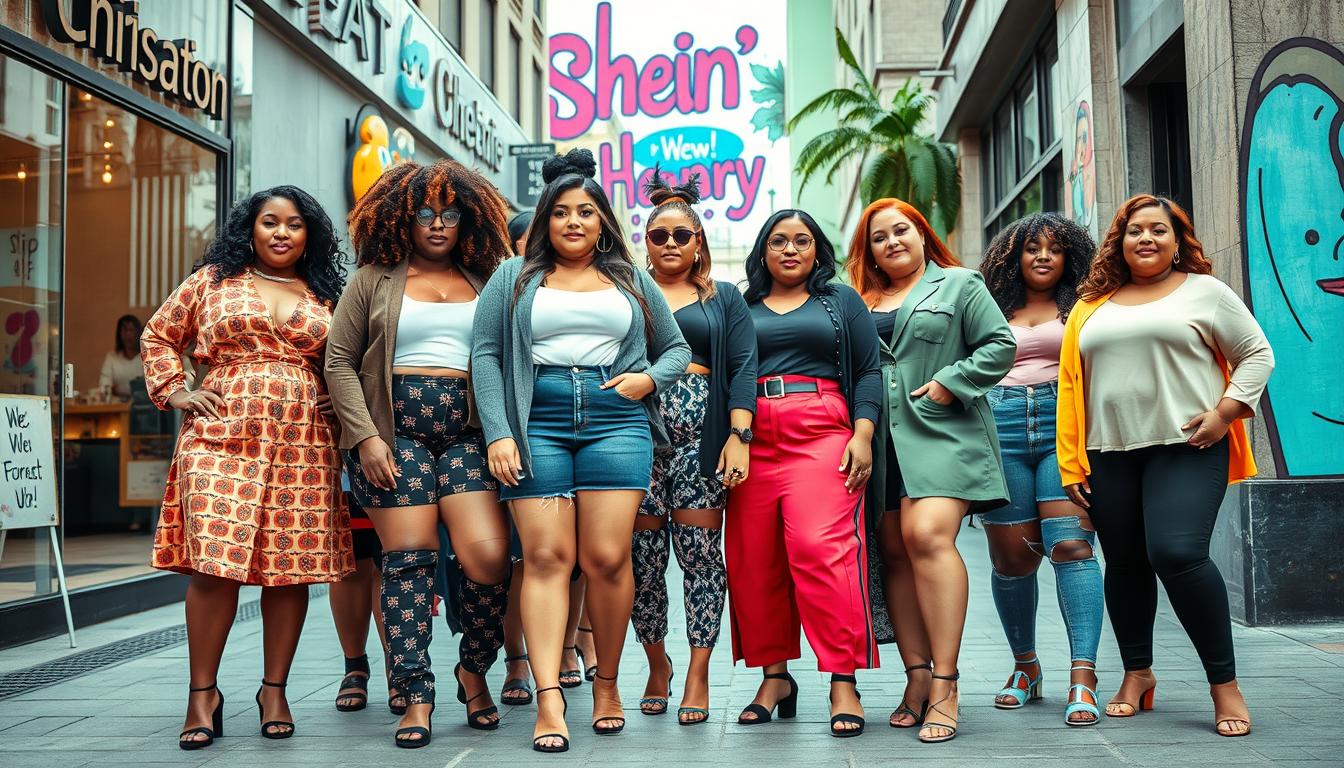
Fashion communities now reflect more faces, shapes, ages, and abilities. Influencers from varied backgrounds spotlight representation in fashion by sharing lived experiences, styling tips, and calls for change. Their work pushes brands to rethink who is visible on runways and in campaigns.
Plus-size advocates like Tess Holliday and Ashley Graham have normalized larger sizes and boosted body positivity through honest content and runway appearances. Their pressure, paired with consumer demand, helped retailers such as Universal Standard and Aerie expand inclusive sizing and marketing that centers real bodies.
Adaptive fashion champions bring accessibility into view. Creators who use wheelchairs or live with sensory differences highlight adaptive fashion features like magnetic closures, adjustable hems, and sensory-friendly fabrics. These posts show practical styling and lead to product updates at brands that once overlooked functional needs.
Influencers drive measurable shifts in product lines. When creators call out limited size ranges or lack of diverse models, companies respond by widening size charts and diversifying casting. Target, for example, increased inclusive sizing in its apparel ranges after amplified conversations about fit and representation in fashion.
Practical resources matter to followers. Inclusive fashion influencers often share fit guides, measurement tutorials, and brand reviews to help shoppers navigate sizing and accessibility. These tools reduce returns, build trust, and make shopping easier for people seeking realistic solutions.
The ripple effect goes beyond marketing. Diverse creators influence merchandising, product development, and ad strategy. Brands that listen move toward more inclusive collections and accessible design, which benefits a broader customer base and raises standards across the industry.
Measuring Success: Metrics That Matter for Fashion Content
Tracking performance turns creative work into repeatable wins. Brands and creators need clear influencer metrics to judge what moves the needle. This short outline shows which indicators to watch and how to combine them for smarter decisions.
Engagement, reach, and audience quality
Start with engagement rate as a quality signal. Likes, comments, shares, saves, and watch time reveal how content resonates. Follower growth and reach show momentum, while audience demographics reveal fit for a campaign.
Check authenticity to avoid wasted spend. Use tools and manual checks to spot bot activity or fake followers. Prioritize engagement quality over vanity numbers when choosing partners.
Conversion tracking and attribution for campaigns
Measure direct outcomes with conversion tracking. Implement UTM parameters, pixel tracking, affiliate links, and promo codes to capture sales and sign-ups. These methods feed into reports that show which posts and creators drive transactions.
Apply multi-touch attribution to allocate credit across touchpoints. Track assisted conversions and calculate lifetime value to understand long-term returns from influencer-driven customers.
Sentiment analysis and brand lift measurement
Gauge perception through social listening tools and PR monitoring. Sentiment analysis flags changes in tone around a brand after a campaign. Monitor search volume, mentions, and tone shifts to detect subtle gains.
Measure brand lift measurement by comparing awareness and favorability before and after campaigns. Combine short-term metrics with long-term trends to see if influencer activity improves market position.
Practical checklist
- Define primary KPIs: conversions, engagement rate, reach, and audience quality.
- Set up conversion tracking: UTM, pixels, affiliate and promo codes.
- Use sentiment tools to track mentions, tone, and brand lift measurement.
- Run periodic audits to detect fake followers and protect ROI.
Ethical Considerations and Sustainability Messaging
Influencers hold real power over buyer choices. With that power comes a duty to share clear, honest information about materials, production, and brand claims. Audiences trust voices they follow. Misleading statements can damage that trust and hurt progress toward greener fashion.
Greenwashing risks and authentic sustainability claims
Brands sometimes use vague labels to appear eco-friendly. That practice, known as greenwashing, misleads shoppers and cheapens genuine efforts. Influencers should ask for proof before promoting a product. Request fiber breakdowns, factory audits, third-party certifications, and carbon or water footprint data.
Look for certifications such as GOTS, Fair Trade, and OEKO-TEX. When a brand cannot show clear documentation, avoid amplifying its message. Call out questionable claims with tact, and point followers to verifiable sources when possible.
Promoting slow fashion and mindful shopping habits
Content that pushes quality over quantity helps curb fast fashion. Slow fashion influencers can highlight capsule wardrobes, repair tutorials, and ways to style a single piece in multiple looks. Share tips on garment care, mending, and storage to extend a garment’s life.
Thrifting and rental options provide affordable paths to unique style. Mention services such as Rent the Runway when relevant. Encourage followers to buy fewer items, choose durable fabrics, and prioritize timeless design over trends.
Influencers’ role in educating followers about sustainable choices
Creators can teach followers to read labels and compare lifecycle impacts. Short explainer posts or video series on fabrics like organic cotton, Tencel, and recycled polyester increase audience literacy. Cover topics like upcycling, end-of-life options, and the social impacts of production.
Collaborations with ethical brands work best when paired with education. Sustainable influencer campaigns that combine product showcases with how-to content tend to shift behavior. Offer clear calls to action, such as checking for GOTS or Fair Trade marks, repairing instead of replacing, or supporting circular fashion initiatives.
| Issue | Influencer Action | Outcome for Audience |
|---|---|---|
| Unverified eco-claims | Request certifications, ask for supply chain transparency | Reduced greenwashing, better informed purchases |
| Fast fashion impulse buys | Promote capsule wardrobes, thrift finds, rental services | Lower consumption, longer garment use |
| Low fabric literacy | Create short guides on fabrics and lifecycle impact | Smarter material choices and fewer returns |
| Token sustainability partnerships | Design sustained educational series with ethical brands | Stronger trust and measurable behavior change |
| Lack of repair culture | Share mending tutorials and care tips | Extended garment life and reduced waste |
Conclusion
Fashion influencers summary: influencers now steer trends, shape buying choices, and guide brand strategy across Instagram, TikTok, and YouTube. They turn short-form videos and curated visuals into moments that ripple through retail. Readers should treat influencer content as style inspiration conclusion—use it to spark ideas, not to copy every look.
Influencer takeaways for consumers: follow diverse creators who post honest reviews and clear disclosures. Look for transparency about sponsorships and prioritize creators who show fit, pricing, and sourcing. For brands and creators, the future of fashion influencers depends on measuring impact beyond impressions, forming authentic partnerships, and tracking conversions and long-term brand lift.
Actionable advice for the industry: brands should work with a range of voices, from micro-influencers to established creators, and invest in community-driven campaigns. Creators should diversify income streams, respect FTC rules, and build direct relationships with followers. The future of fashion influencers will keep centering short-form video, commerce-content convergence, sustainability, and inclusivity as defining forces in the U.S. market.
FAQ
What are fashion influencers and why do they matter?
How have fashion influencers evolved from blogs to multi‑platform creators?
How do influencers set seasonal style trends?
Which platforms work best for different fashion content types?
What content formats drive the most engagement in fashion?
How do collaborations between designers and influencers typically work?
How can influencers maintain authenticity while working with brands?
What are the main monetization routes for fashion creators?
How are diversity and inclusivity changing influencer marketing?
Which metrics should brands track to measure influencer campaign success?
How can influencers and brands avoid greenwashing and promote real sustainability?
How do micro-influencers compare to macro or celebrity creators for brand partnerships?
What role do trend forecasters play with influencer-driven fashion?
How should brands attribute sales when multiple touchpoints are involved?
Can influencers help with product development and assortment decisions?
What legal or regulatory considerations should creators and brands follow?
How can creators grow a loyal community rather than just chase follower numbers?
Content created with the help of Artificial Intelligence.